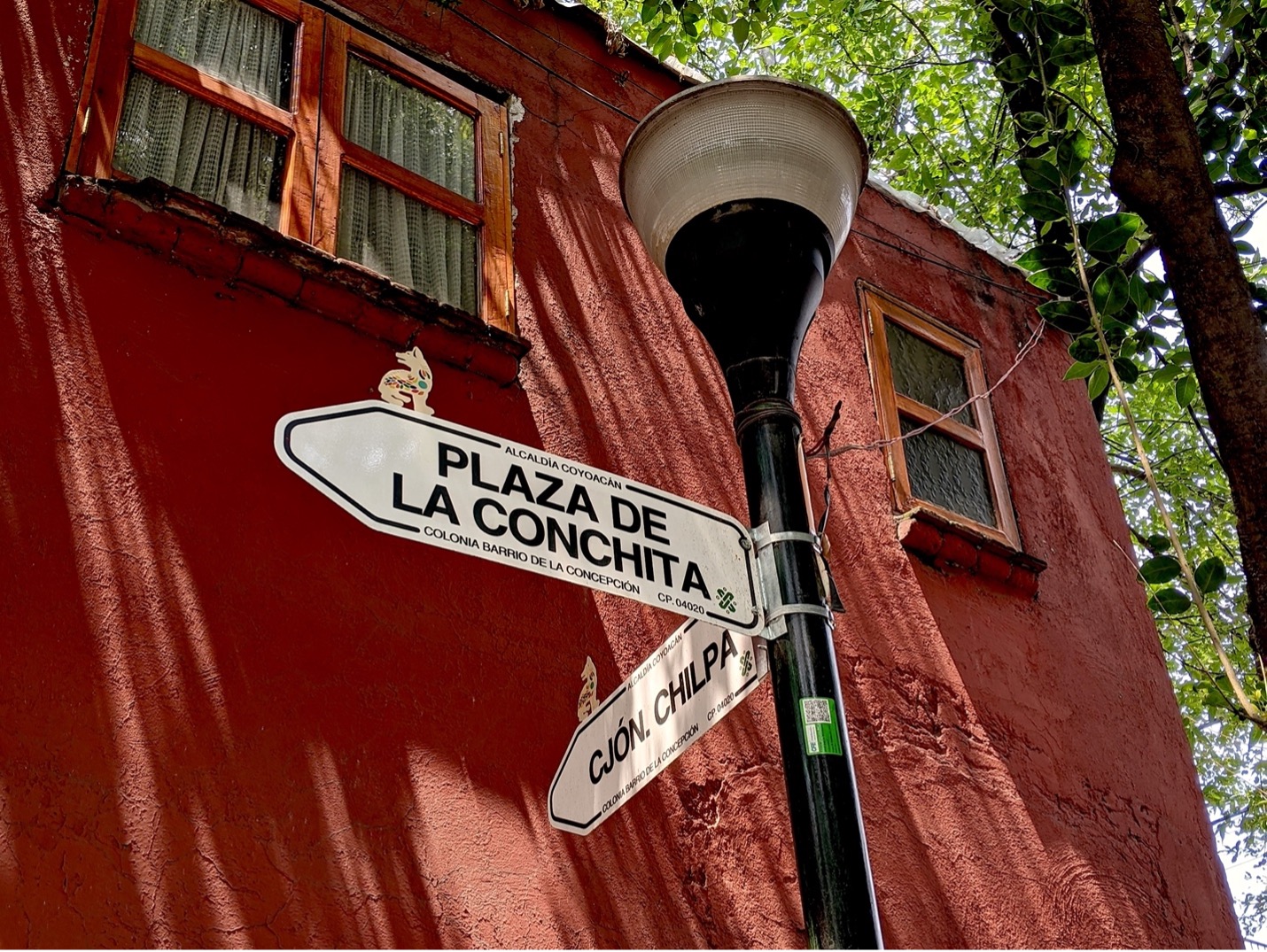
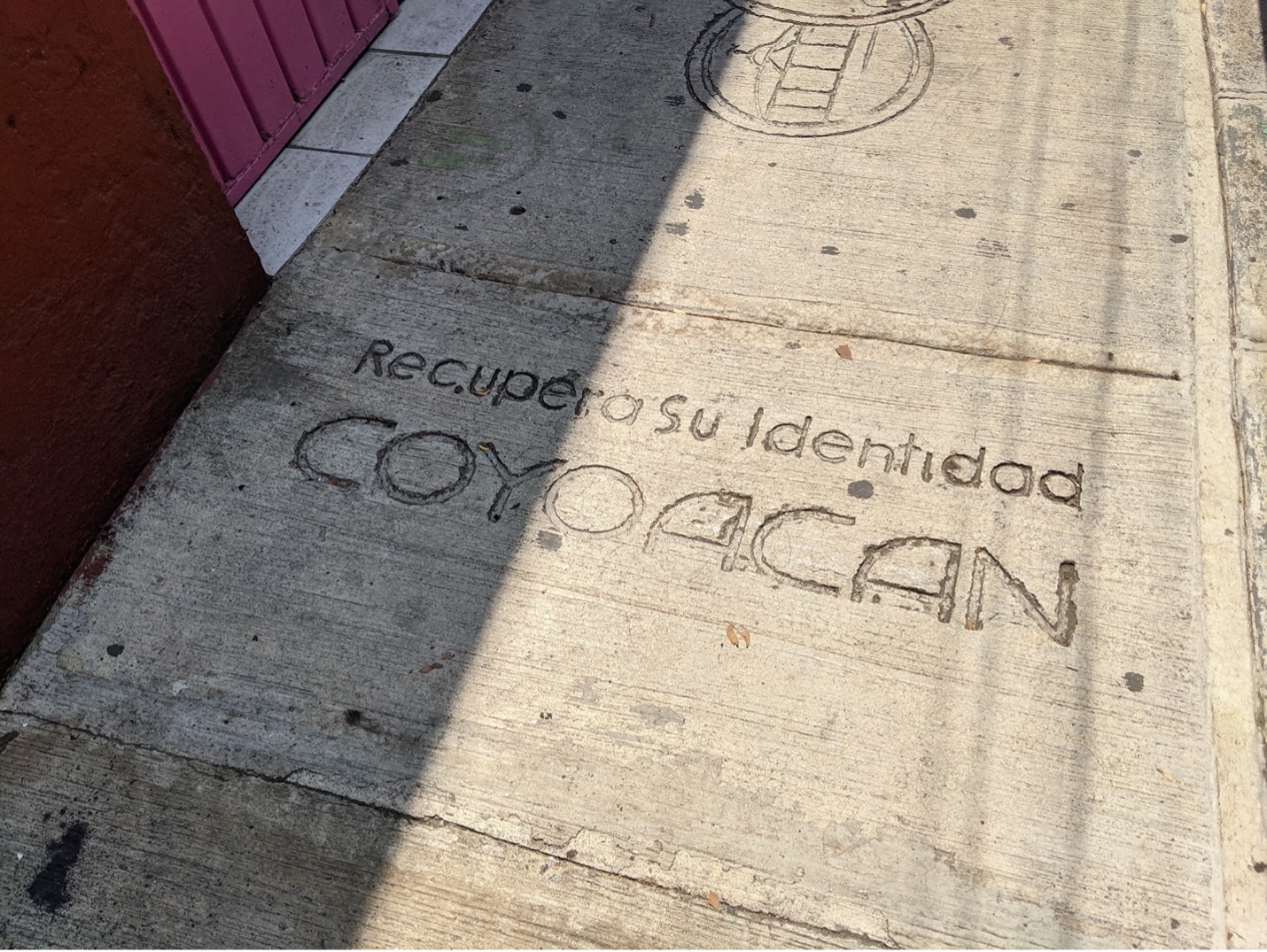
If there’s one place in Mexico City where vastly different eras seem layered on top of each other, it’s the ancient borough of Coyoacán. The name means “place of the coyotes” in Nahuatl, an Aztec language still spoken by at least a million people in Mexico today (fun fact: there is as much Classical Nahuatl preserved as Classical Greek). In this artsy, offbeat neighborhood, cobblestone lanes run past colonial chapels, WWII-era political hideouts and 21st century murals alike.

First, there’s the Aztec echoes. This area is part of the Valley of Mexico, where two sister-civilizations, the Tepanecs and the Aztecs, coexisted in non-existent harmony for hundreds of years despite sharing similar cultures, spiritual beliefs, and the Nahuatl language. There was near-constant strife, especially from the Aztecs towards the Tepanecs.
Eventually, the Tepanecs grew so tired of such inconveniences as their people being poached for ritual sacrifices that they embraced a new people throwing anchor on the coasts of Mexico in 1519: the Spanish Empire. They must have figured anything was better than their current situation. Unfortunately, the invading conquistador Hernán Cortés never lived up to the positive first impressions he made. In short order, Cortés conquered the city of Tenochtitlan and flattened both cultures under the weight of his dusty Castillian boot.
This is where Coyoacán comes in. After Cortés turned Tenochtitlan into sediment, he set about establishing a Spanish colonial city. He used Coyoacán as his New Spain headquarters from 1521–23 and enjoyed life from the first colonial palace in central Mexico before returning to Spain where he died of natural causes—or karma, depending on who you ask.

Casa de Cortés, 16th century, where he is said to have tortured the defeated Aztec emperor Cuahtémoc
After those in charge later tired of the area and moved the capital north, Coyoacán remained completely independent of Mexico City all the way through the colonial period and far into the 19th century. This allowed Coyoacán many years to develop on its own as a slightly slower-paced village with a deep culture and respected heritage.
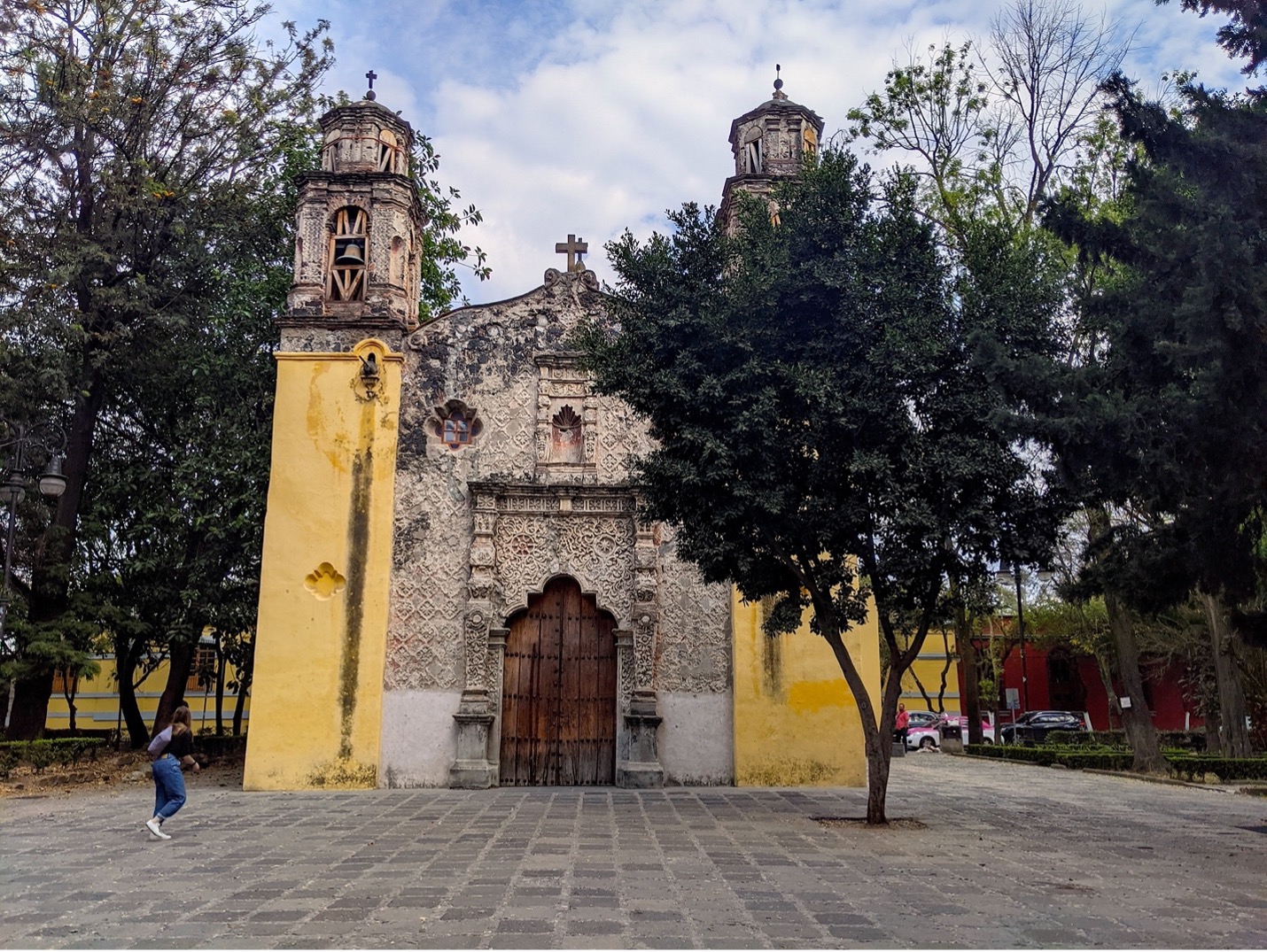
The Plaza de la Conchita (“Conchita” being a diminutive often used for churches dedicated to the Immaculate Conception), which was established in 1525 and rests on a Toltec altar dating to A.D. 600
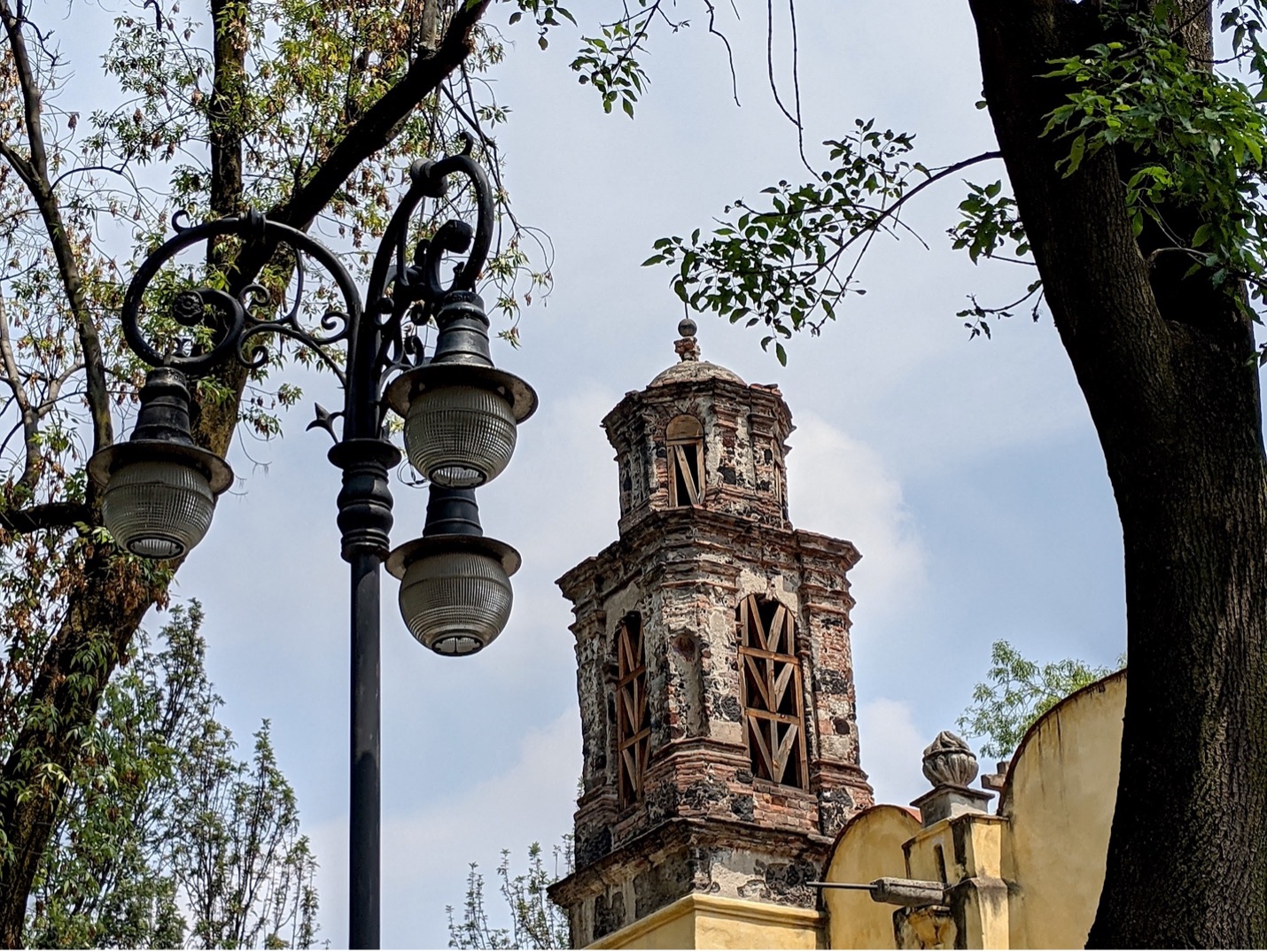
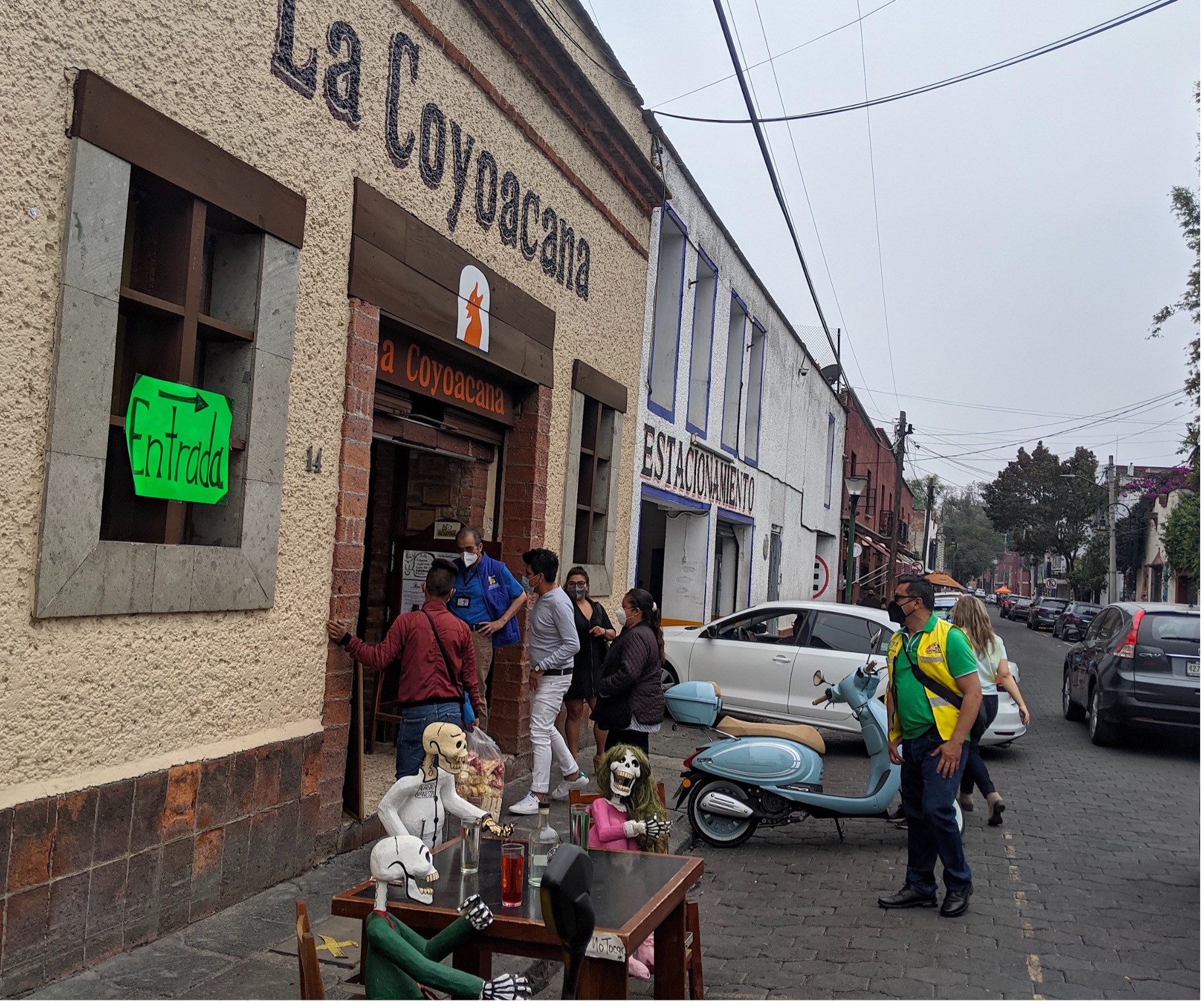
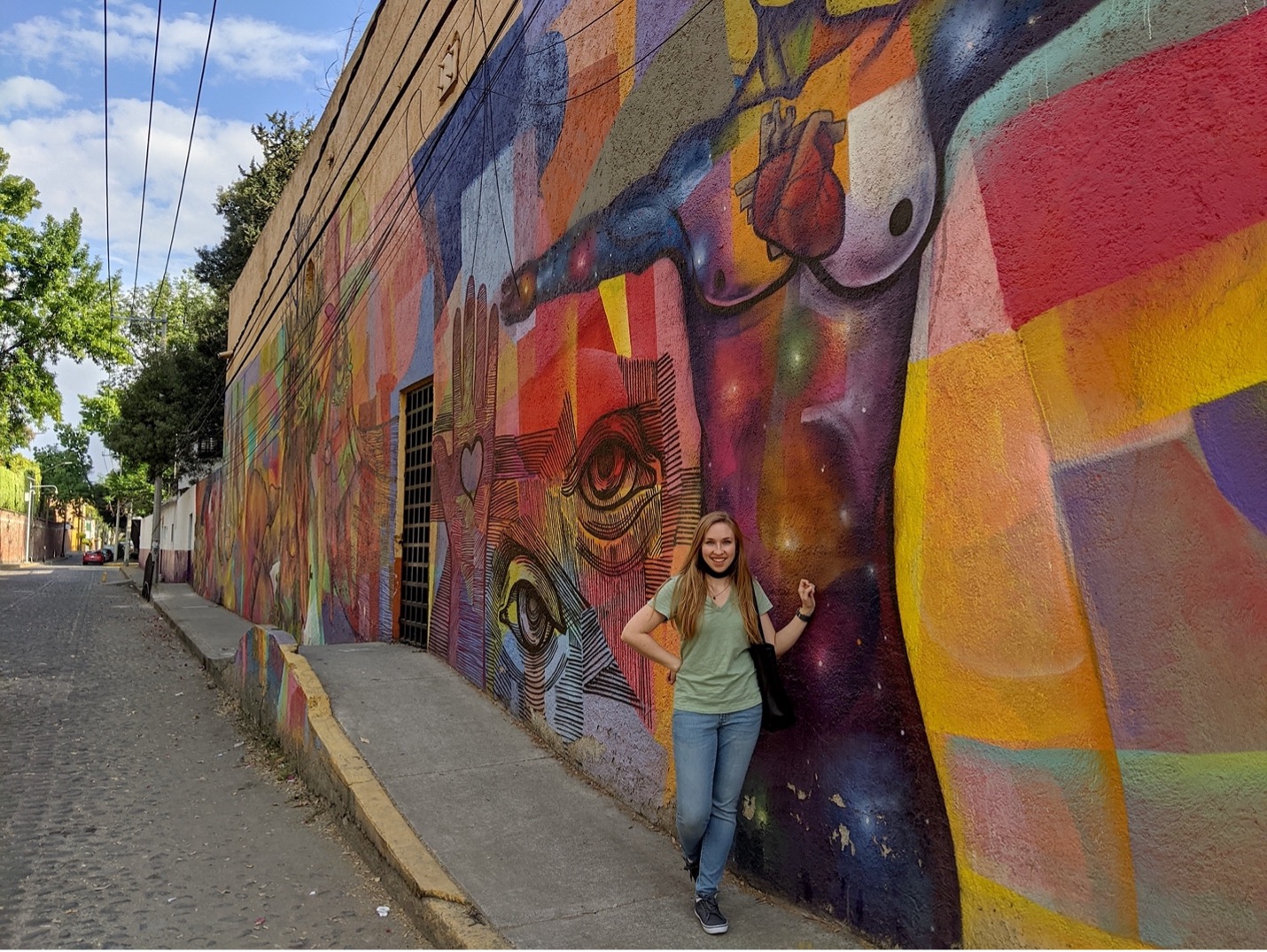
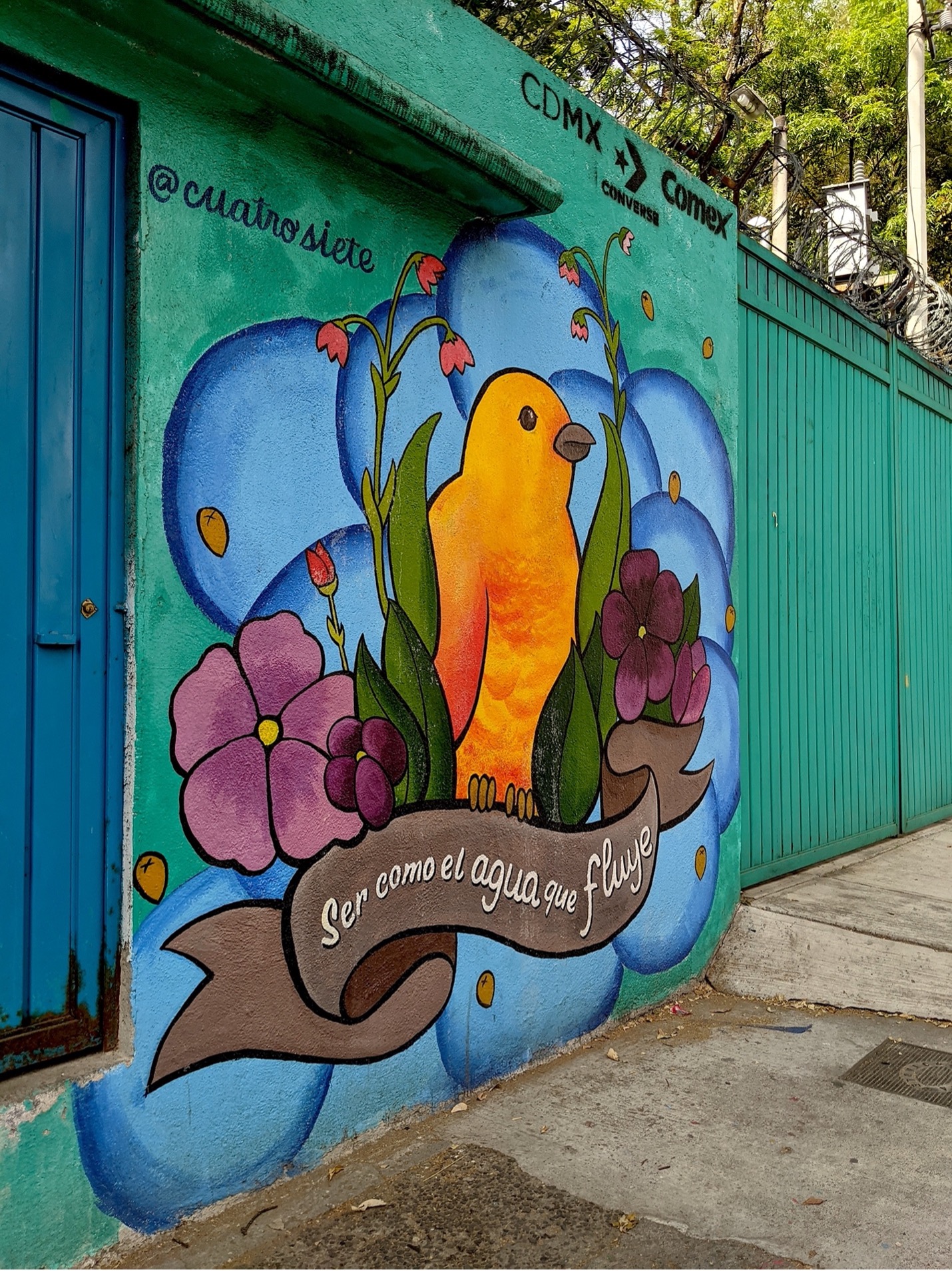
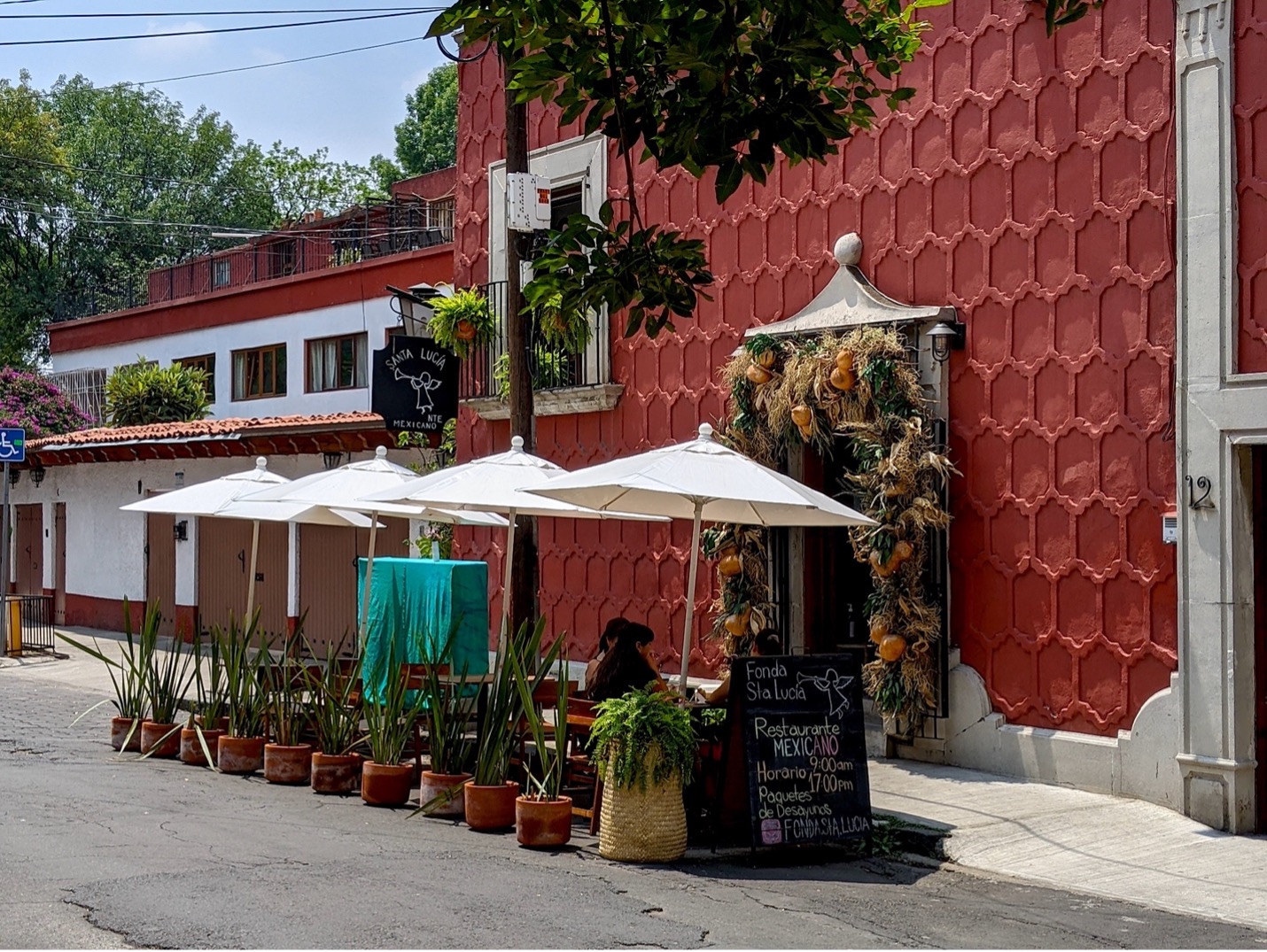
Coyoacán was incorporated into the Federal District of Mexico City in 1857, and in 1928, its status as an official borough of the city was formalized. However, it was still looked at as a separate town into the 1940s, as it became a major draw for artists, intellectuals, and other unique-minded bohemians. Colorful graffiti lines many streets in the downtown area.
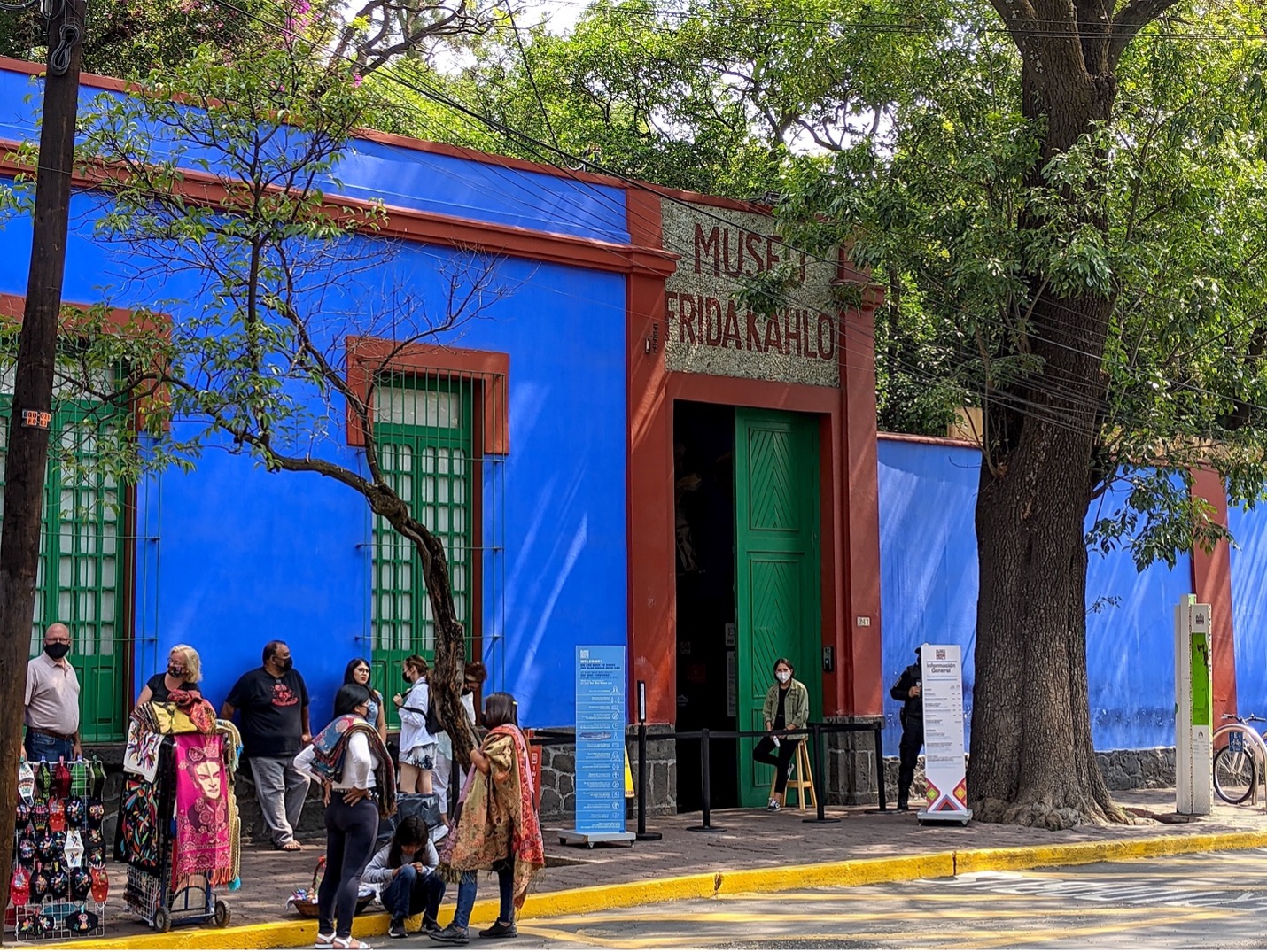
About this time, of course, is when Diego Rivera and Frida Khalo were making their mark on the Mexican (and international) arts, culture and—famously—political scene. Coyoacán is the home of Frida Khalo’s famous “Blue House”, where she was born, lived for a time with Rivera, and would return to by herself when her relationship with Rivera was at its most fraught.
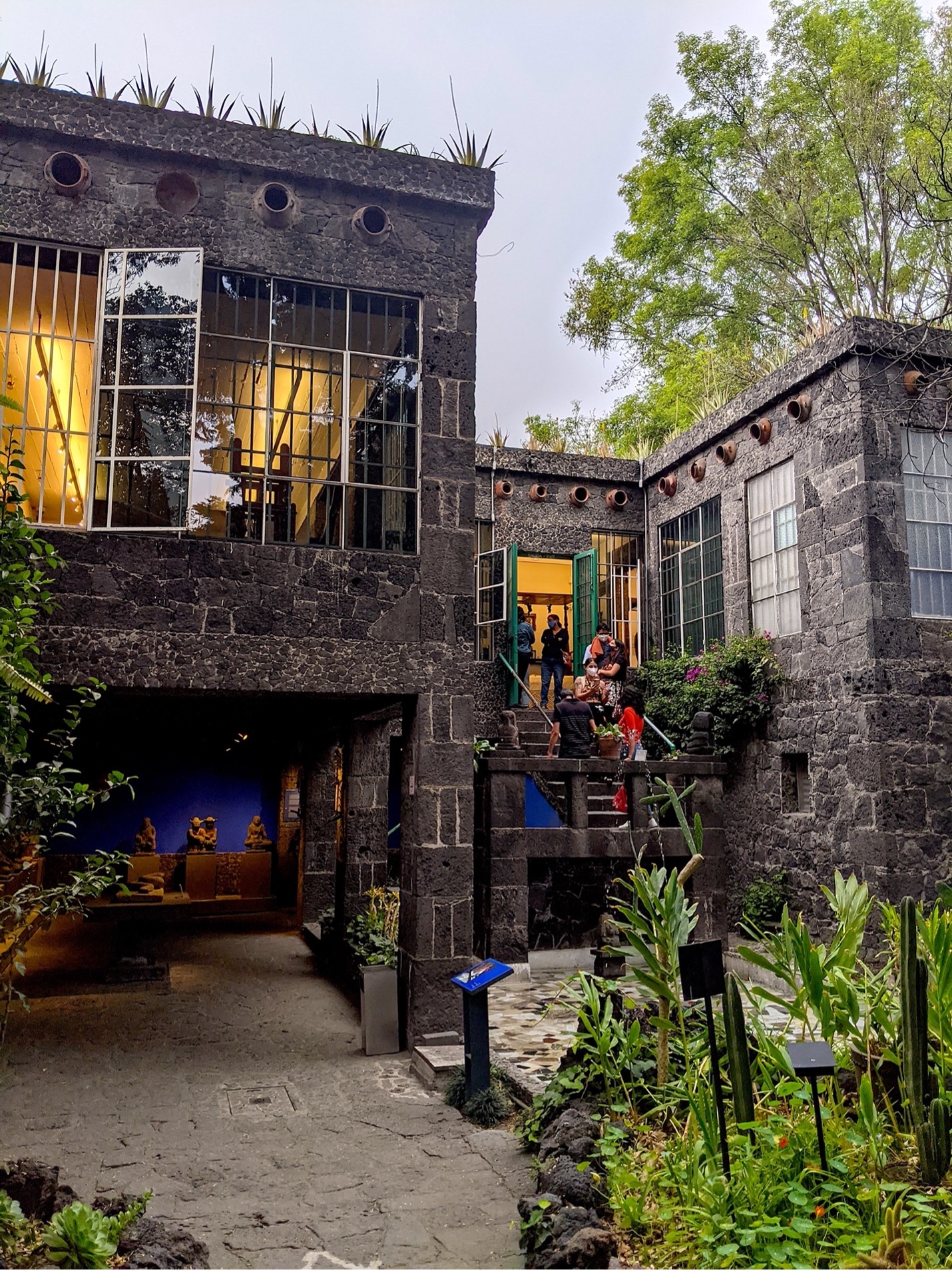
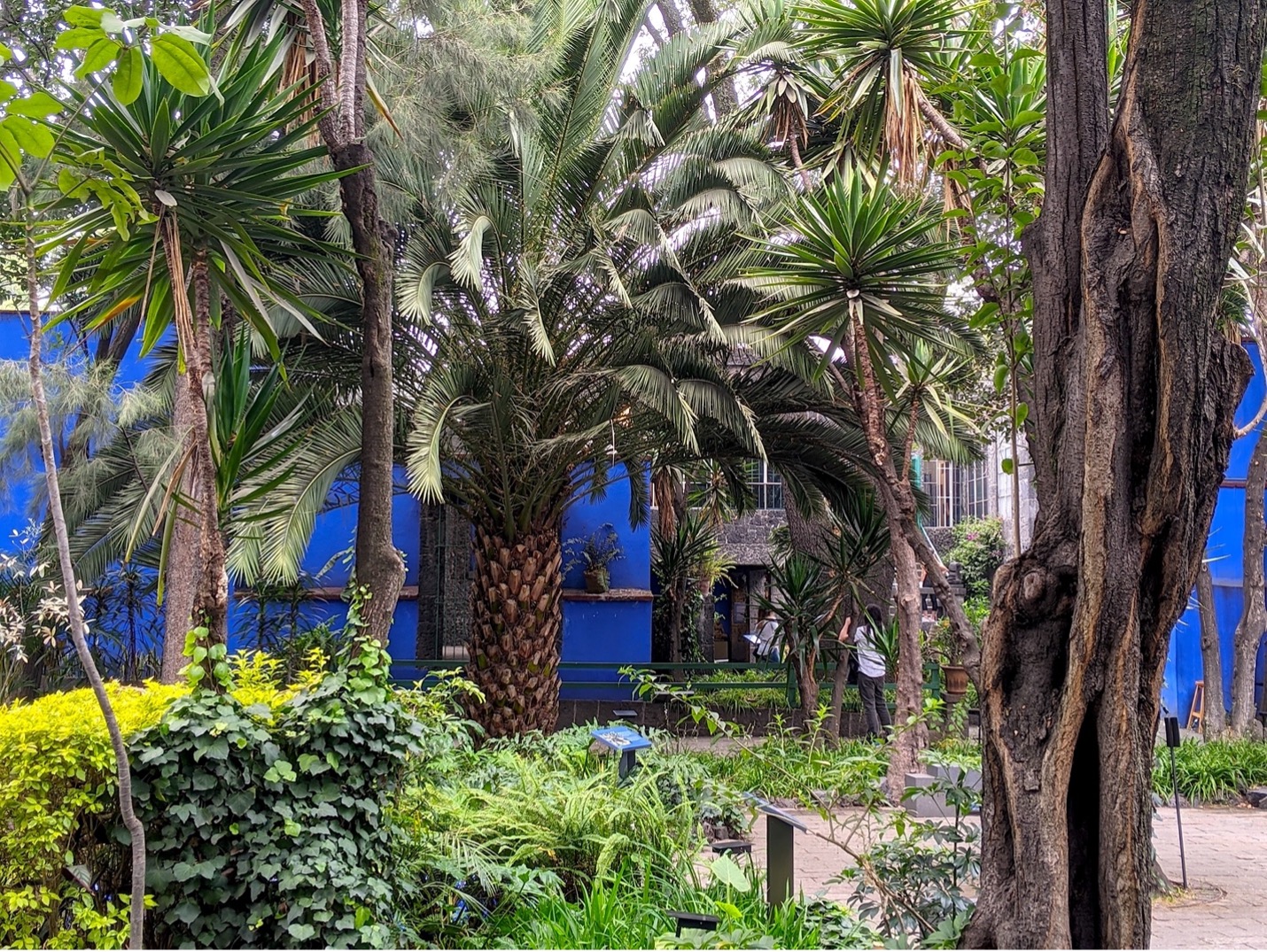
The Blue House is striking and set amidst a beautiful garden full of native plants and several tranquil ponds. Both the house and grounds make for an uplifting and calming afternoon; I was happy to explore it with several good friends recently.

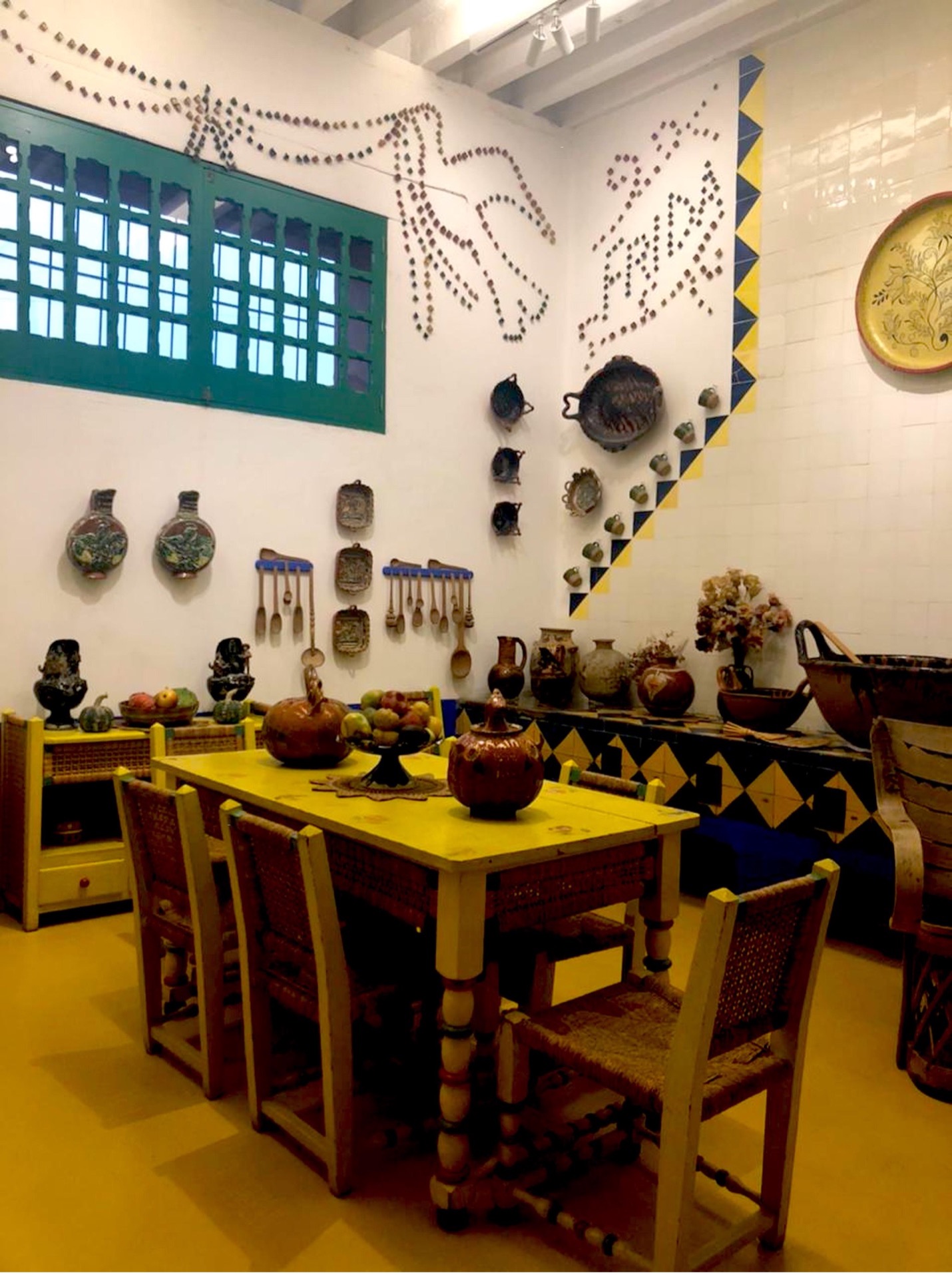
We toured the buildings which house such reminders of Khalo as her brightly colored dresses and sunny kitchen filled with symbols of her life.

In addition, both Khalo’s and Rivera’s workstations have been preserved exactly how they were used: paint vials, handwritten papers, and leather-bound books lie on desks under huge windows facing the garden. Even Khalo’s bedroom is still decorated as she used it. Outside, winding tree branches block out the warm midday sun, creating a calming effect amidst the shadowy pathways where birds totter along brick walls.


Any trip to Mexico City should certainly include a day in this stunning borough that represents a palpable piece of the past.
 CHLOE GOES
So interesting! I didn’t know you visited there. The colors are amazing.
LikeLike
Absolutely love reading about this. More please Chloe.
LikeLike