A man in a kayak once outran an alligator in Alabama’s Mobile Bay.
The story goes that the kayaker was drifting serenely near some reeds at water’s edge, when he encountered the alligator, also drifting serenely. Or maybe it was sunning itself or looking for lunch—both are commonly enjoyed pastimes of alligators. When the two locked eyes, the reptile redirected toward the kayaker. Only an extreme optimist would assume it intended to admire the construction of the craft. The kayaker, not being that kind of optimist, put peddle to puddle and churned off towards open waters. Eventually, the man made it far enough out in the bay to convince the alligator he wasn’t worth the calorie burn, because the creature finally slowed and glided away.
When the man was later interviewed by a reporter (assumingly after he’d changed his pants), he merely shrugged at the danger and said remaining calm while hightailing it allowed him to escape. He was an avid outdoorsman and had spent his life on the bay.
Such comfort with the water is central to the culture of Mobile, Alabama and its surrounding environs. The city of Mobile itself was founded on the Mobile River, lies adjacent to Mobile Bay, and is swaddled in Mobile humidity most of the year (it’s actually the wettest city in all the contiguous 48 states—yes, it’s even rainier than Portland). French and Spanish explorers sailed into the bay starting in the 1500s, displacing the Mobile tribe before naming the city after them. The ensuing Port of Mobile became a major trading center, importing and exporting a vast variety of goods, including cotton, timber, and coal (and, tragically, humans) in the ensuing years. Interestingly, we have the Port of Mobile to thank for the introduction of the fire ant into the United States.
Downtown Mobile
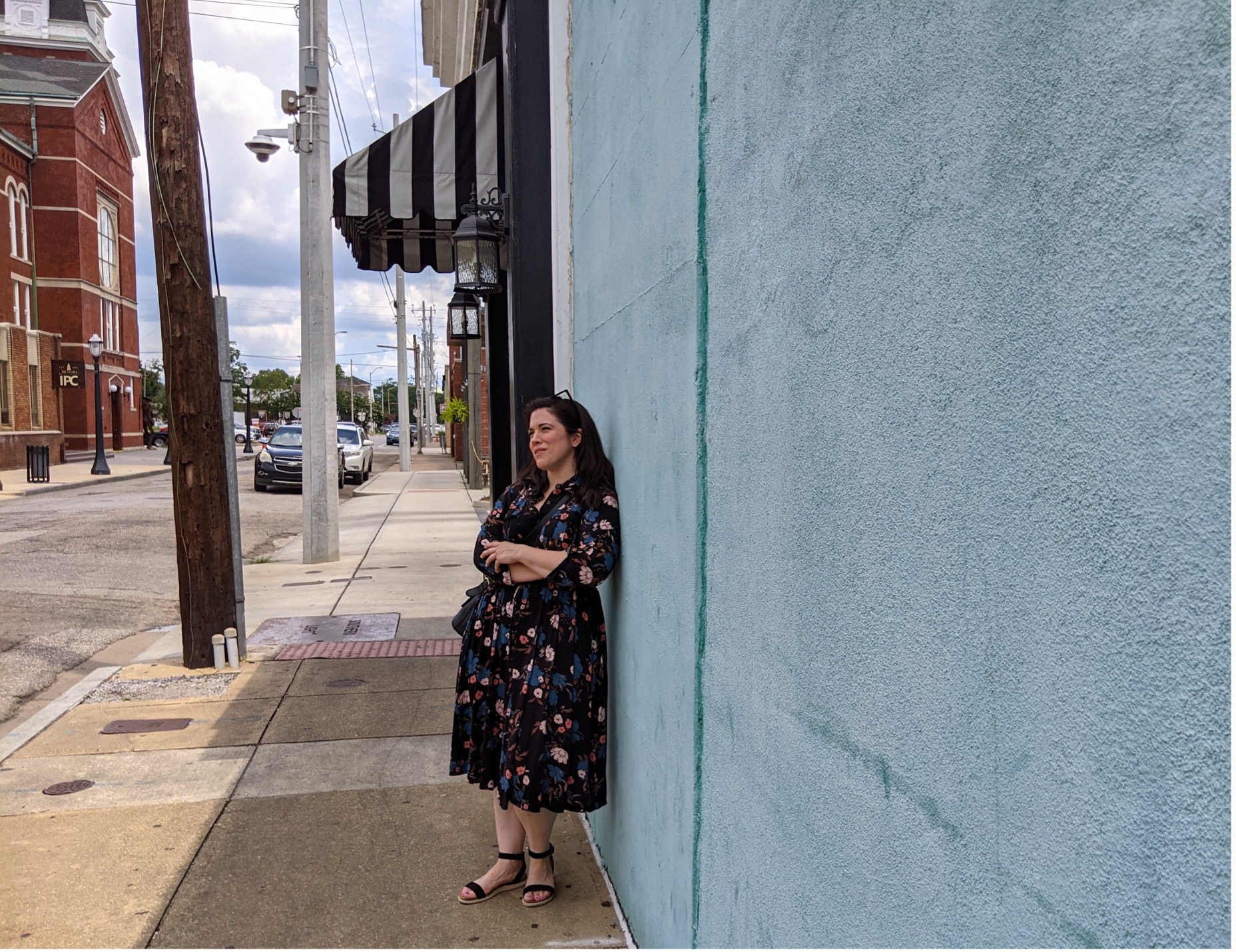
I recently had the wonderful chance to visit a best friend in this unique water city. Kara is finishing up a doctorate at the University of Mobile and graciously agreed to show me around.
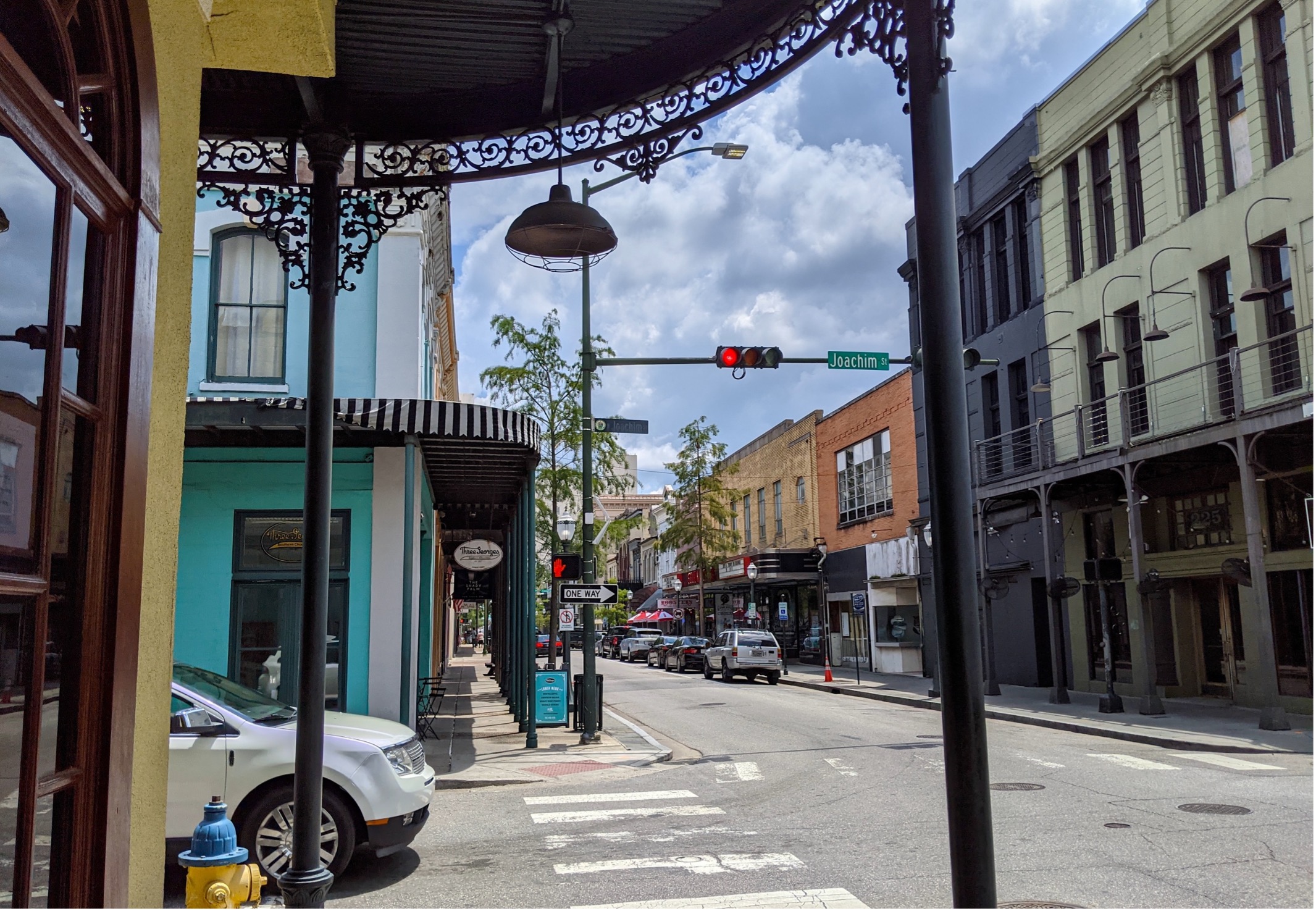
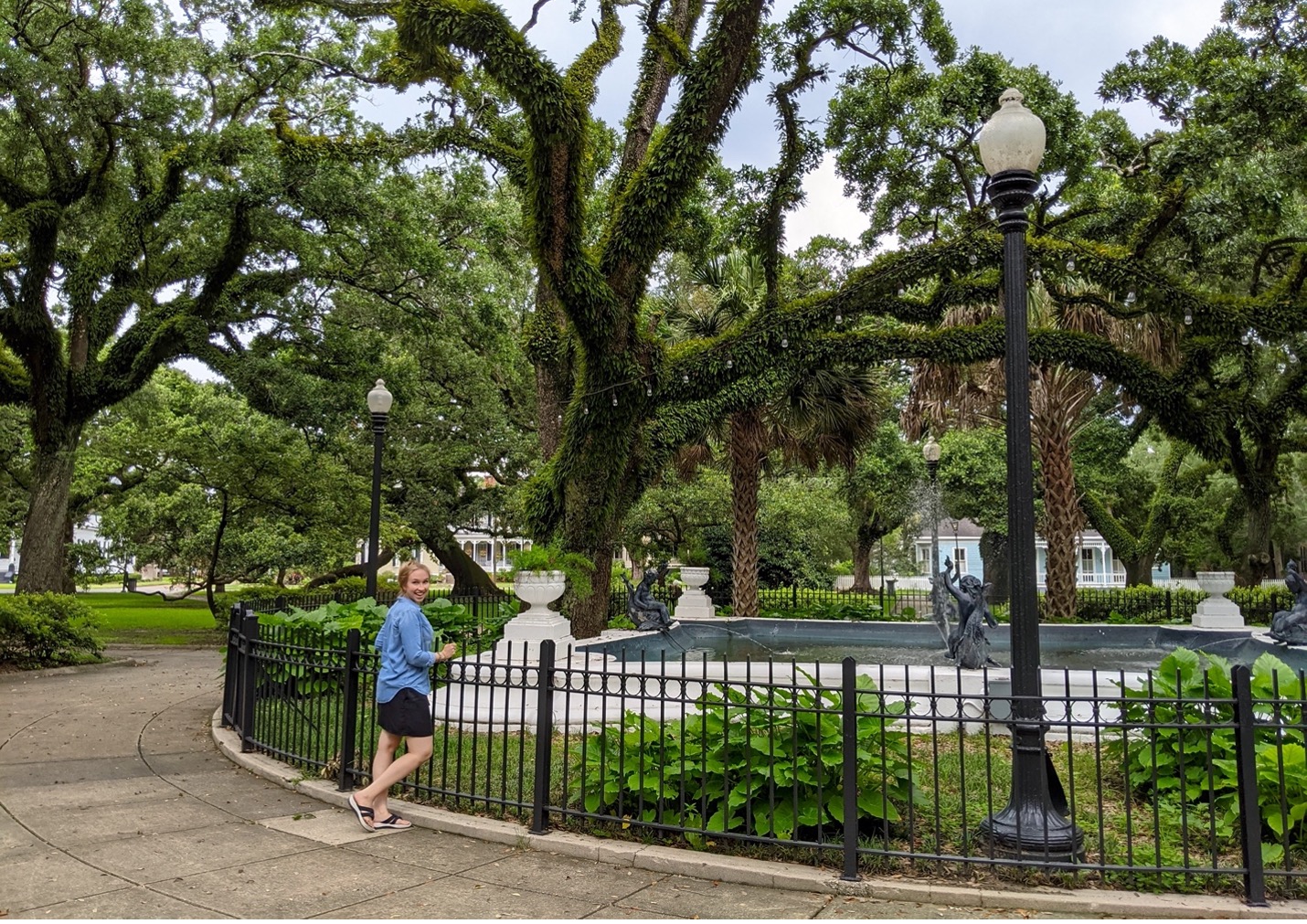
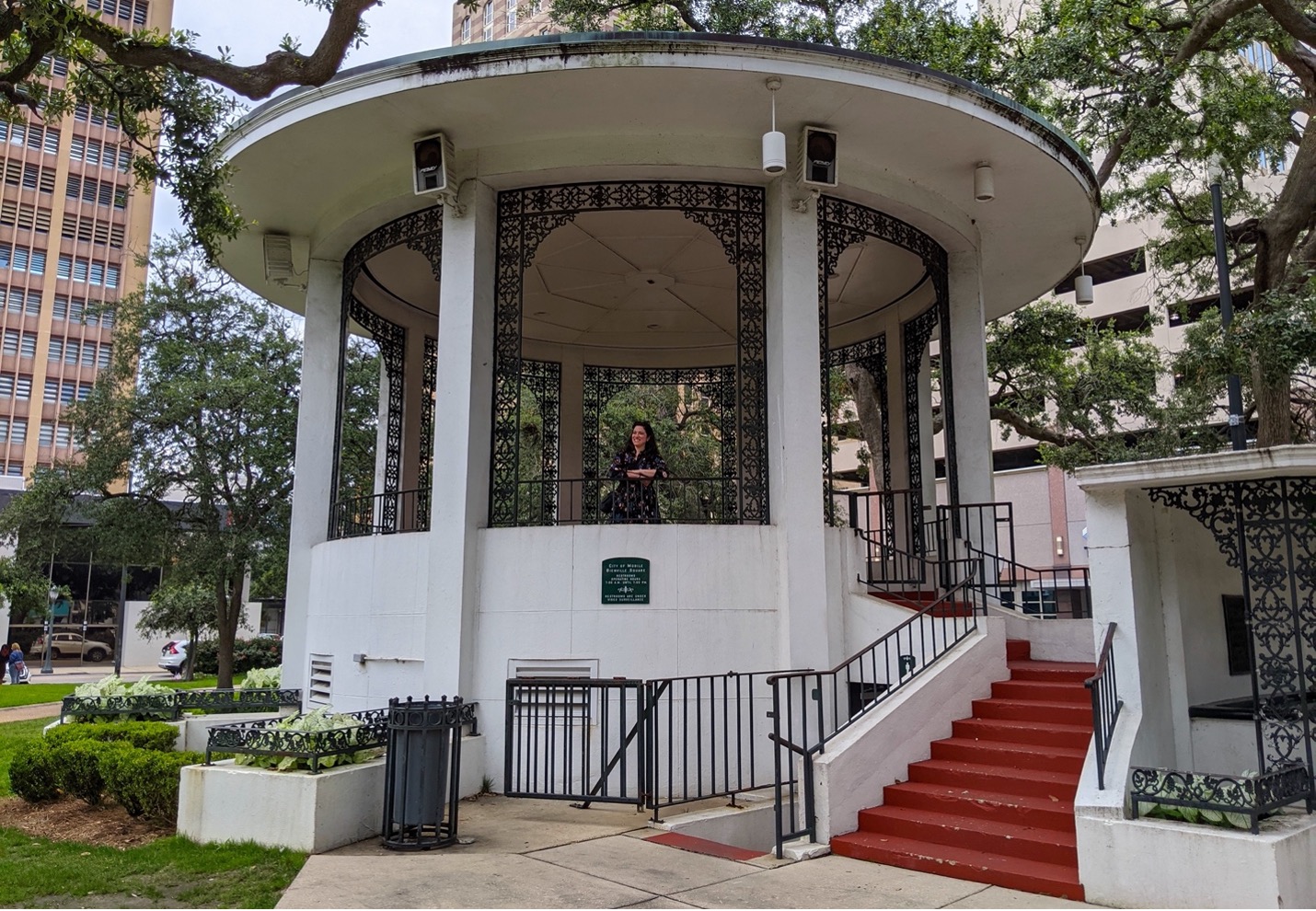
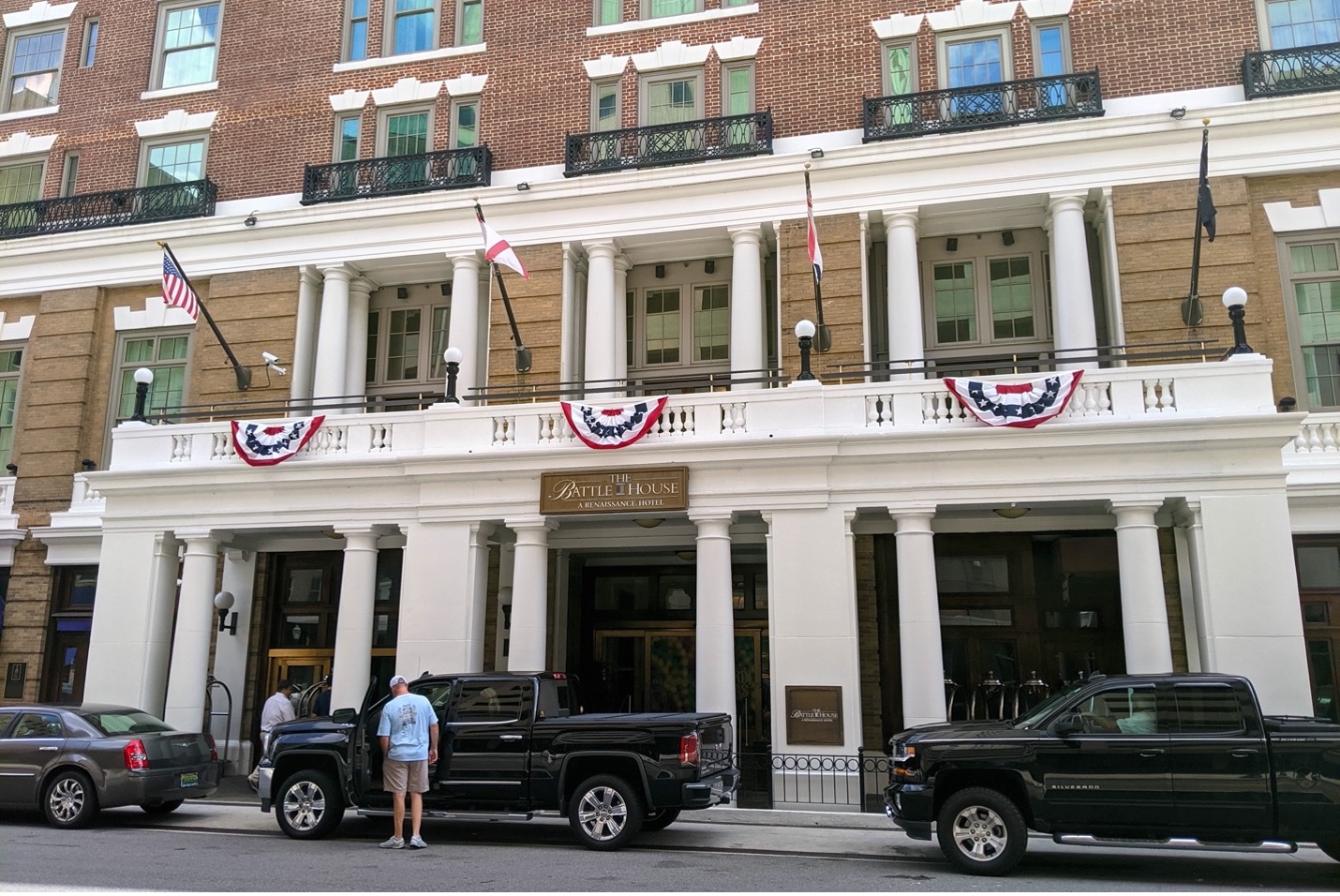
Mobile’s downtown heart certainly has the feel of a port city deep in the southern U.S. Lush parks filled with moss-covered live oaks and a variety of shops along the main street speak to a simultaneous calmness and bustle from the past.
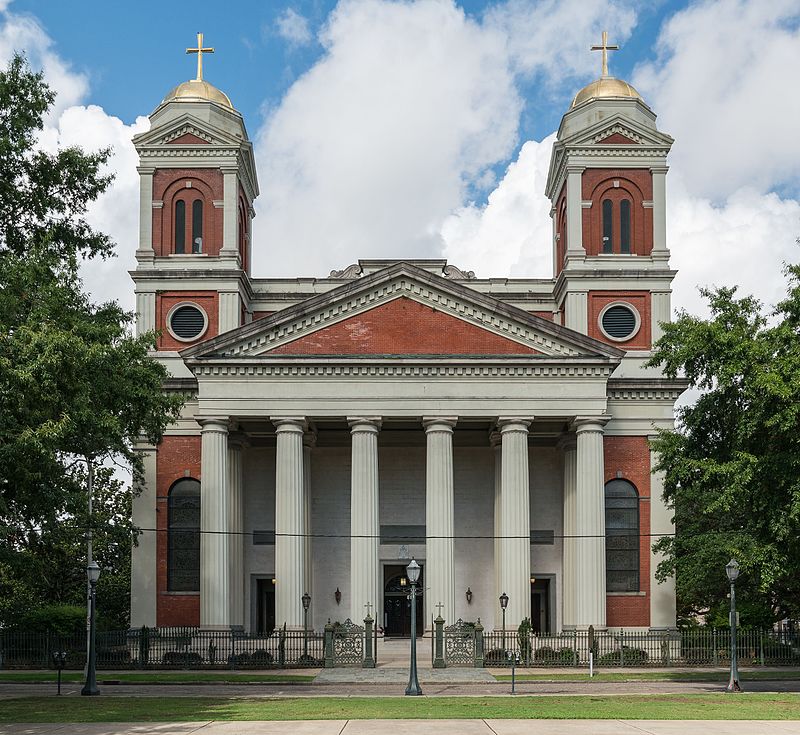
At the center of one of the largest squares in town is the Basilica of the Immaculate Conception. It has quite the eventful past. Initially founded by the French only one year after Mobile was established itself, it was later relocated, renamed, and rebuilt in the form it takes today. Since then, it has weathered an explosion, a fire, an airplane impact—and if that wasn’t enough—multiple hurricanes. The explosion was a Civil-War-era-accident where an ammunition store located a little too close to the basilica exploded, sending pieces of itself through some windows. Then in World War II, a pilot-in-training clipped a tower and was undoubtedly hauled back to class. Finally, in 1954, a homeless man took shelter in the sanctuary and set it alight (accidentally). Fortunately, the basilica has made a full recovery, including having its stained-glass windows shipped to Germany for restoration.
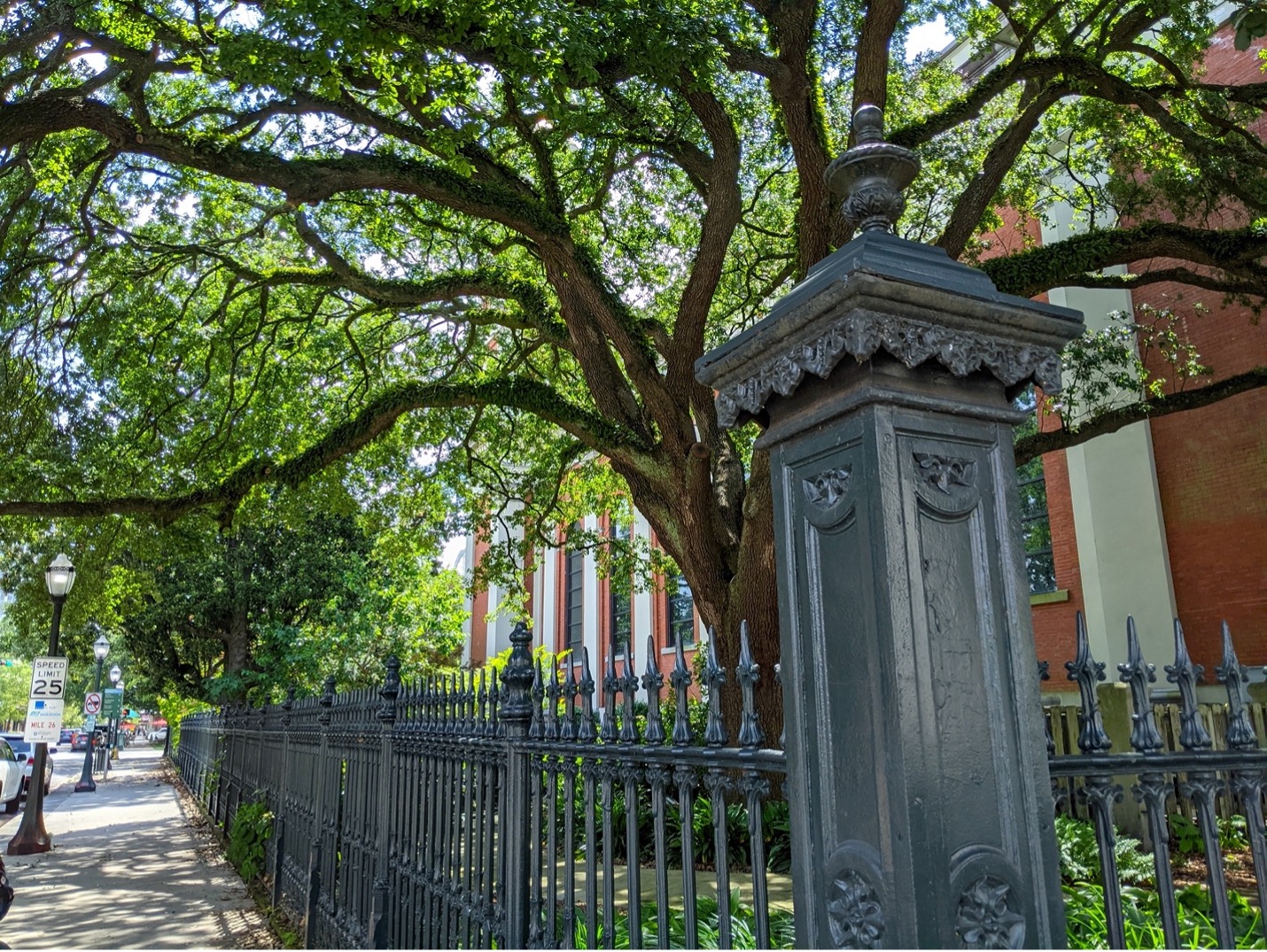
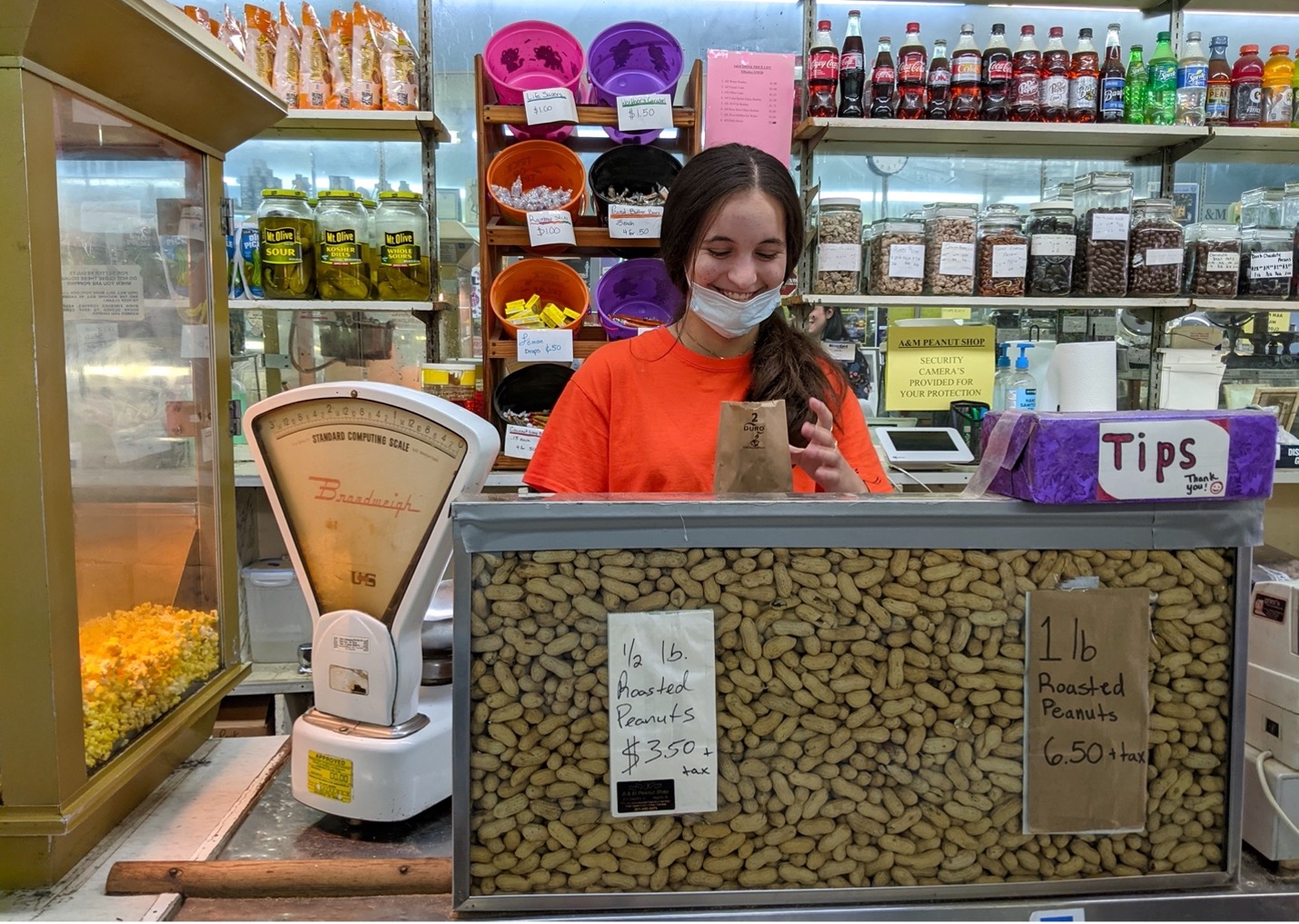
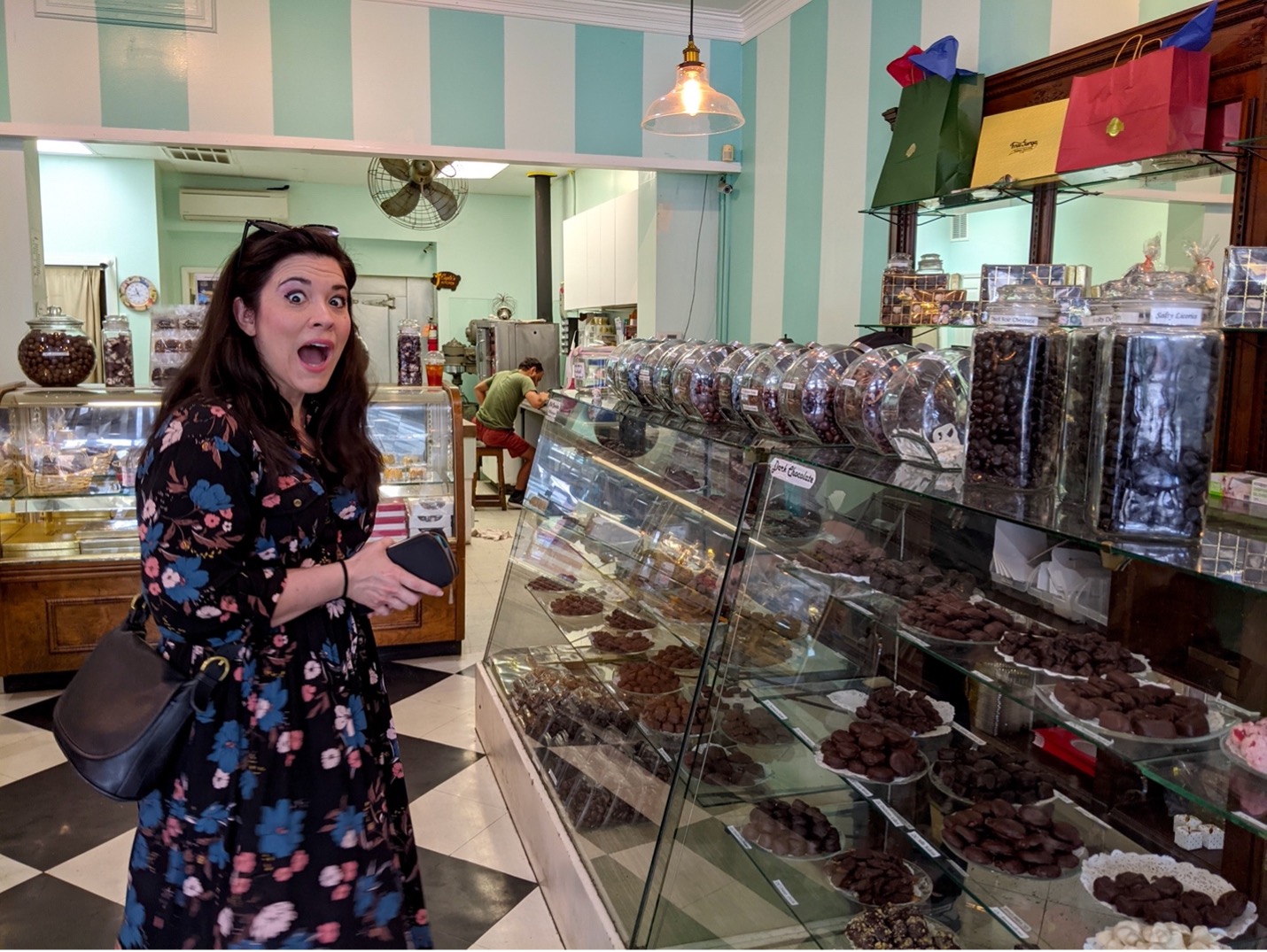
Elsewhere in Mobile can be found all manner of shops, cafes, and even sites of long-running ghost sitings.
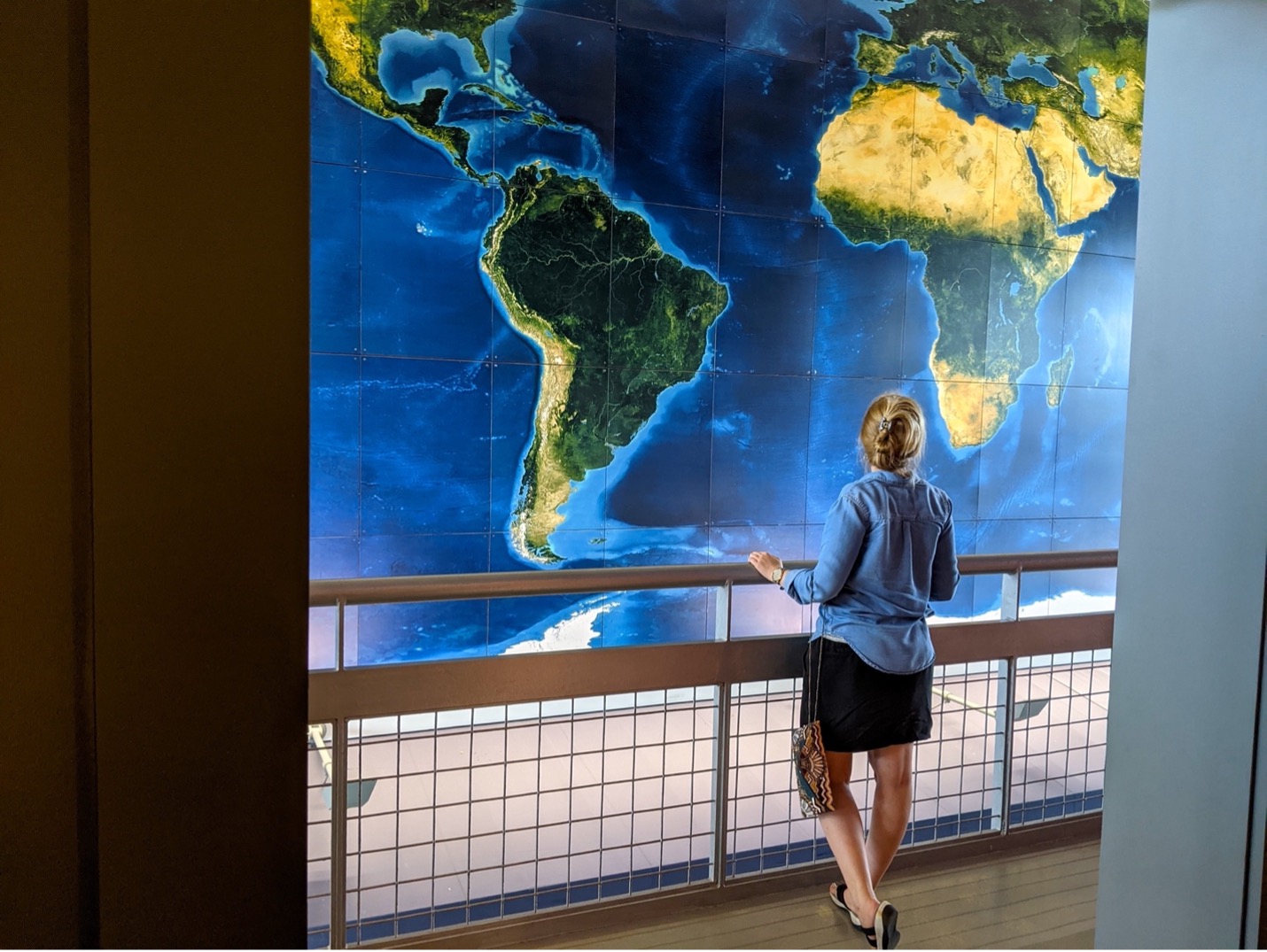
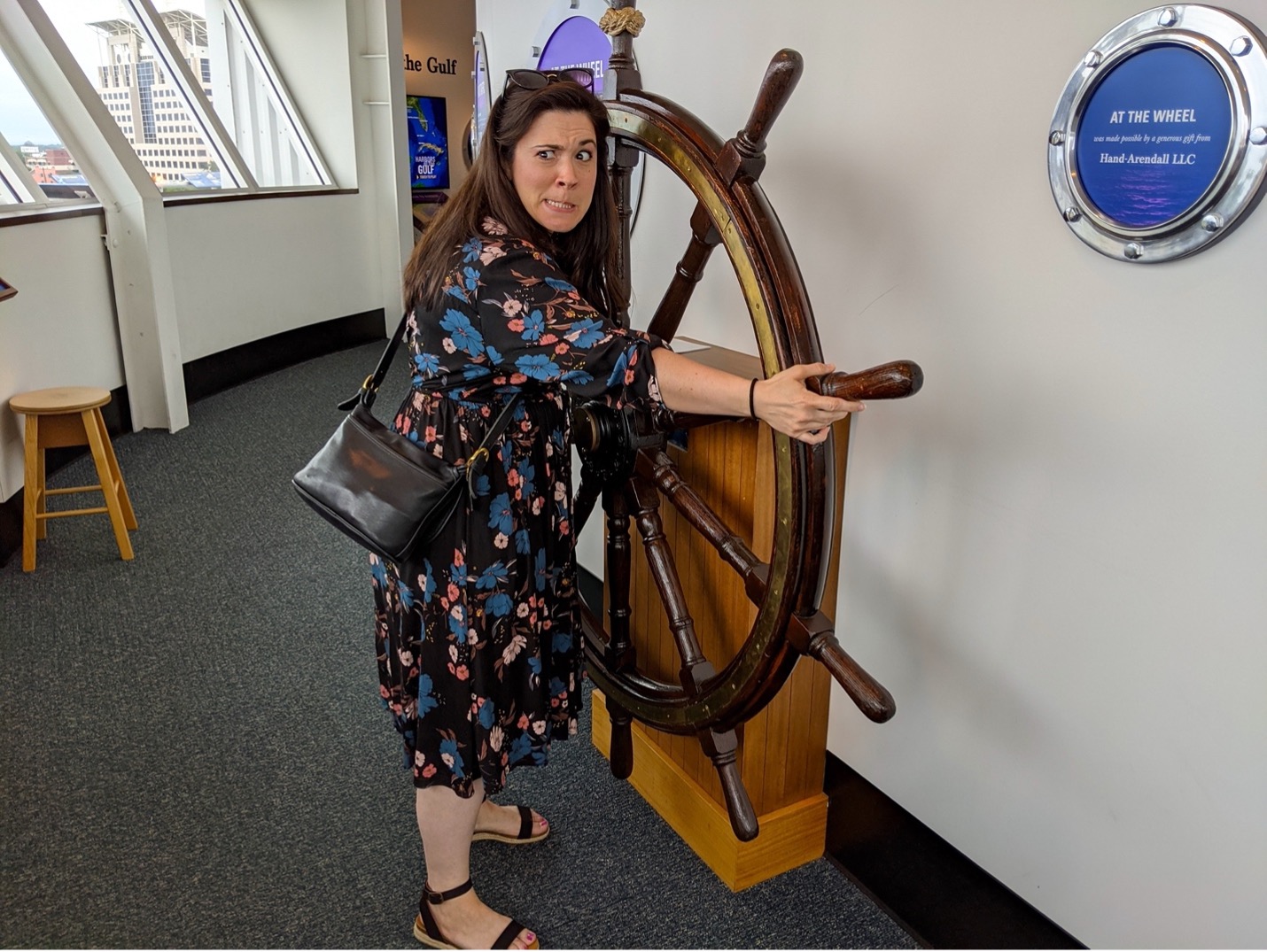
There is also an excellent museum of Mobile’s maritime past right in downtown. GulfQuest presents the entertaining chance to expand awareness of the Gulf’s ecosystem, navigate a fishing expedition with the help of a rowdy seagull, or be alerted to all variety of local fish that one could try at dinner. There’s even a bay crossing simulator used by the National Guard for actual training sessions. I was really bad at it.


This is a beautiful place where we could have spent many more afternoons. Check out my post on the second part of the trip!

 CHLOE GOES