Southeast of Mexico City, amidst rugged hillsides dotted with nopal cactuses, lies the village of Milpa Alta. Though still officially inside the city’s Federal District, it feels a world away. Rugged hills define the skyline and village streets twist and turn.
Milpa Alta (“high cornfield”) is actually made up of several communities, all traditional and rural. Celebratory banners reach across main thoroughfares, emphasizing the town’s dedication to community life. Hundreds of festivals are celebrated here every year.
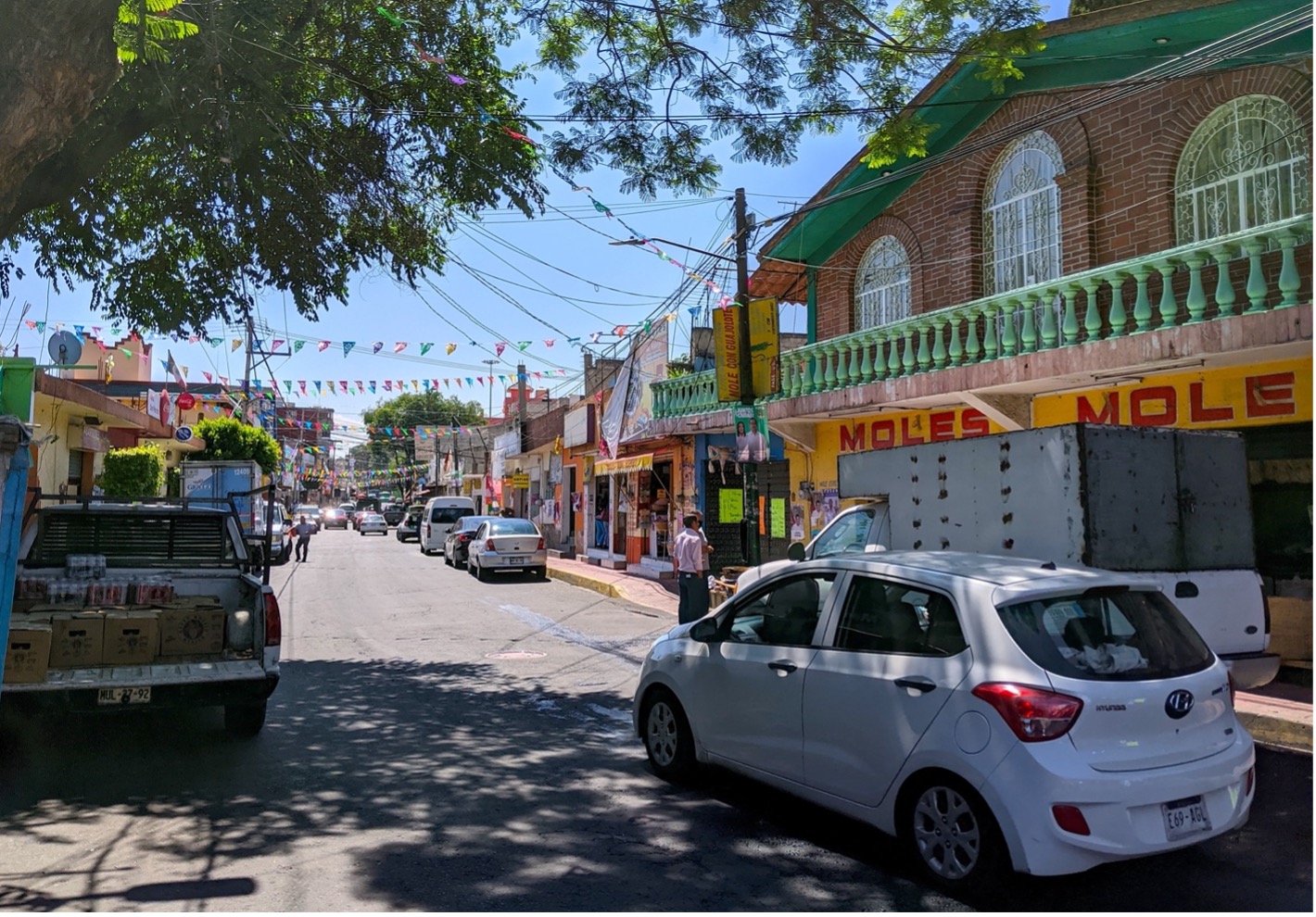

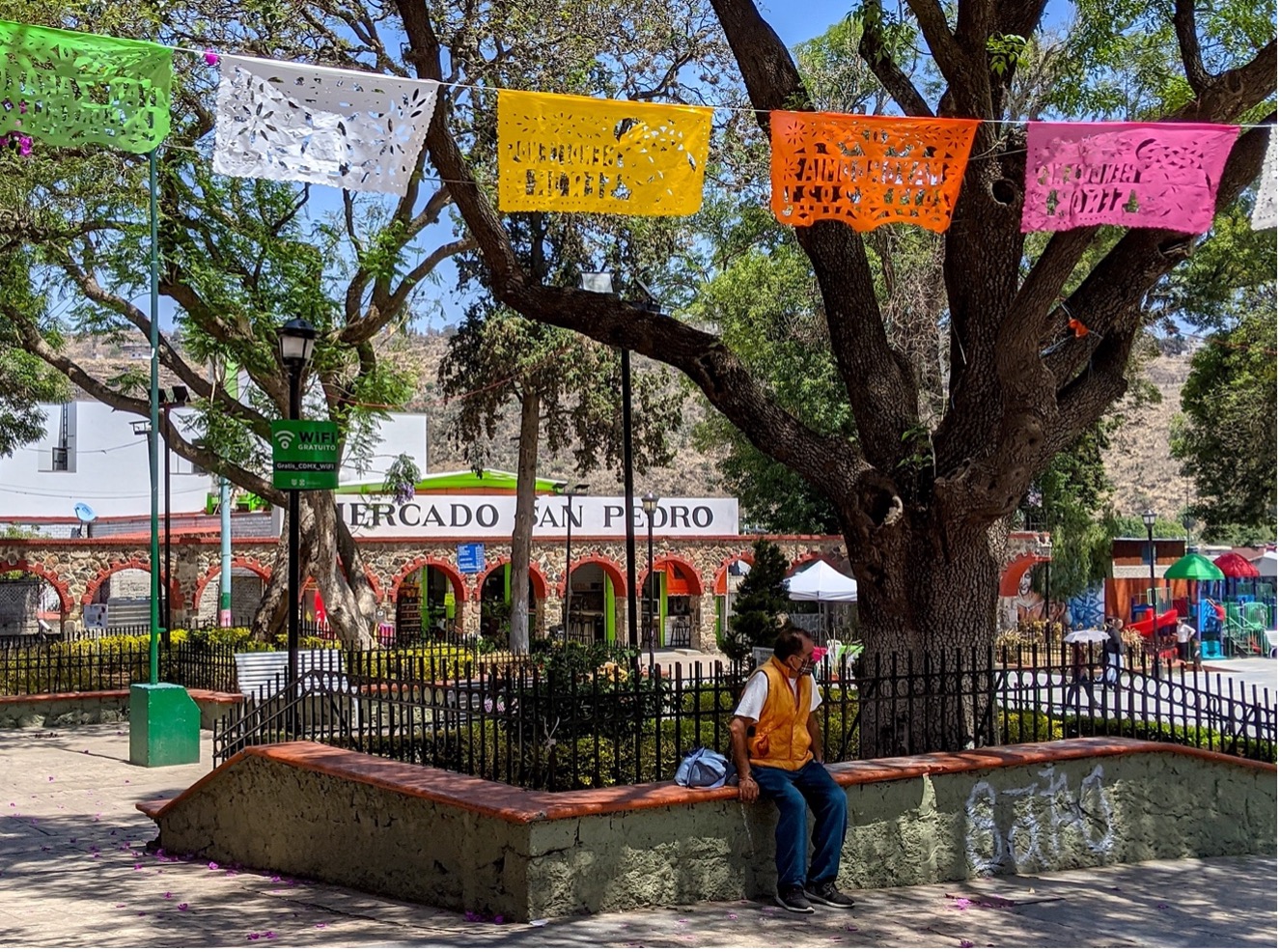
Walk through the town square, and numerous vendors reach out with a smile, proudly showing off their wares: fresh garlic and ginger, warm tortillas with rich sauces, dried nuts and fruit. It’s impossible to go far without being offered a sample.

Agriculture and food processing are the heavyweights in this town. Milpa Alta’s economy is largely carried by its production of beans, corn, peas, and honey, and the fun things they do with them.
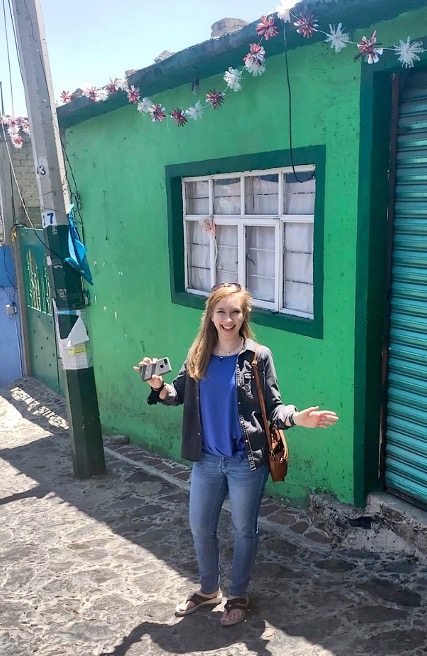
I recently had the opportunity to visit Milpa Alta with good friends. We explored its busy markets and quiet corners, finding surprises along with the way.

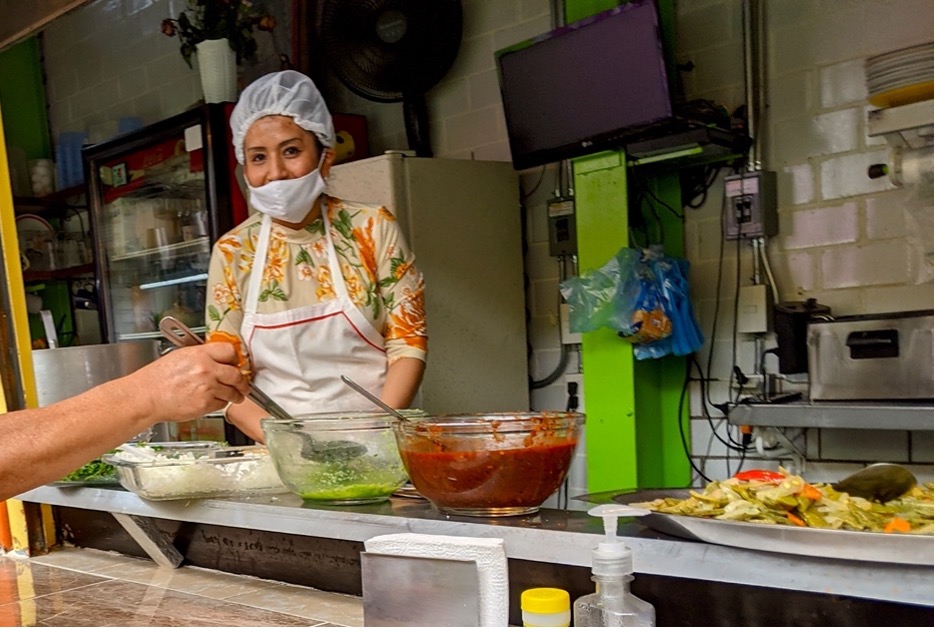

Among all its exports, Milpa Alta is perhaps best known for its mole, a well-loved traditional sauce made from a shocking variety of chili peppers. And among Milpa Alta’s communities, San Pedro Atocpan produces the most. It actually supplies 90% of the mole eaten in Mexico City.
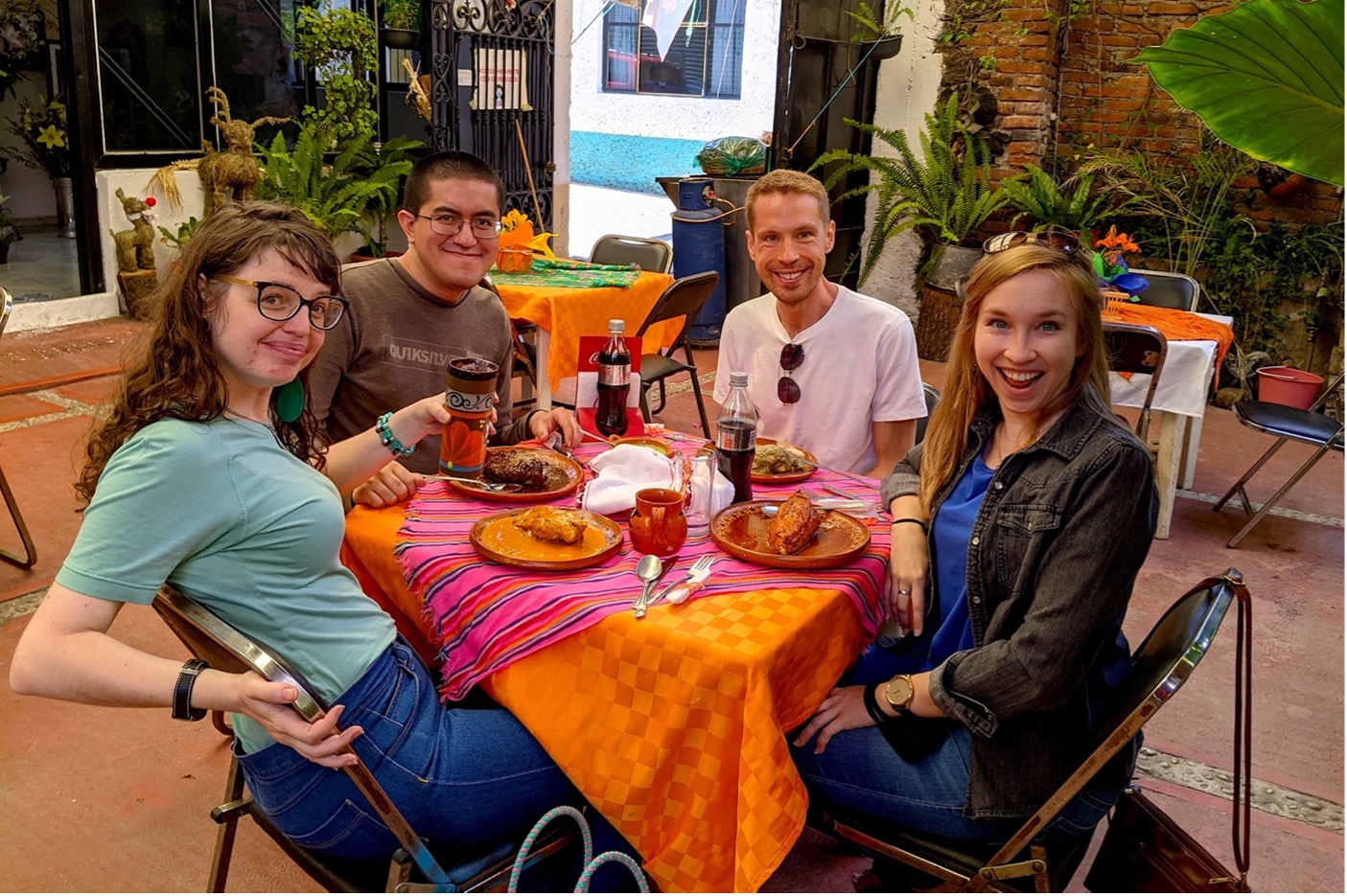
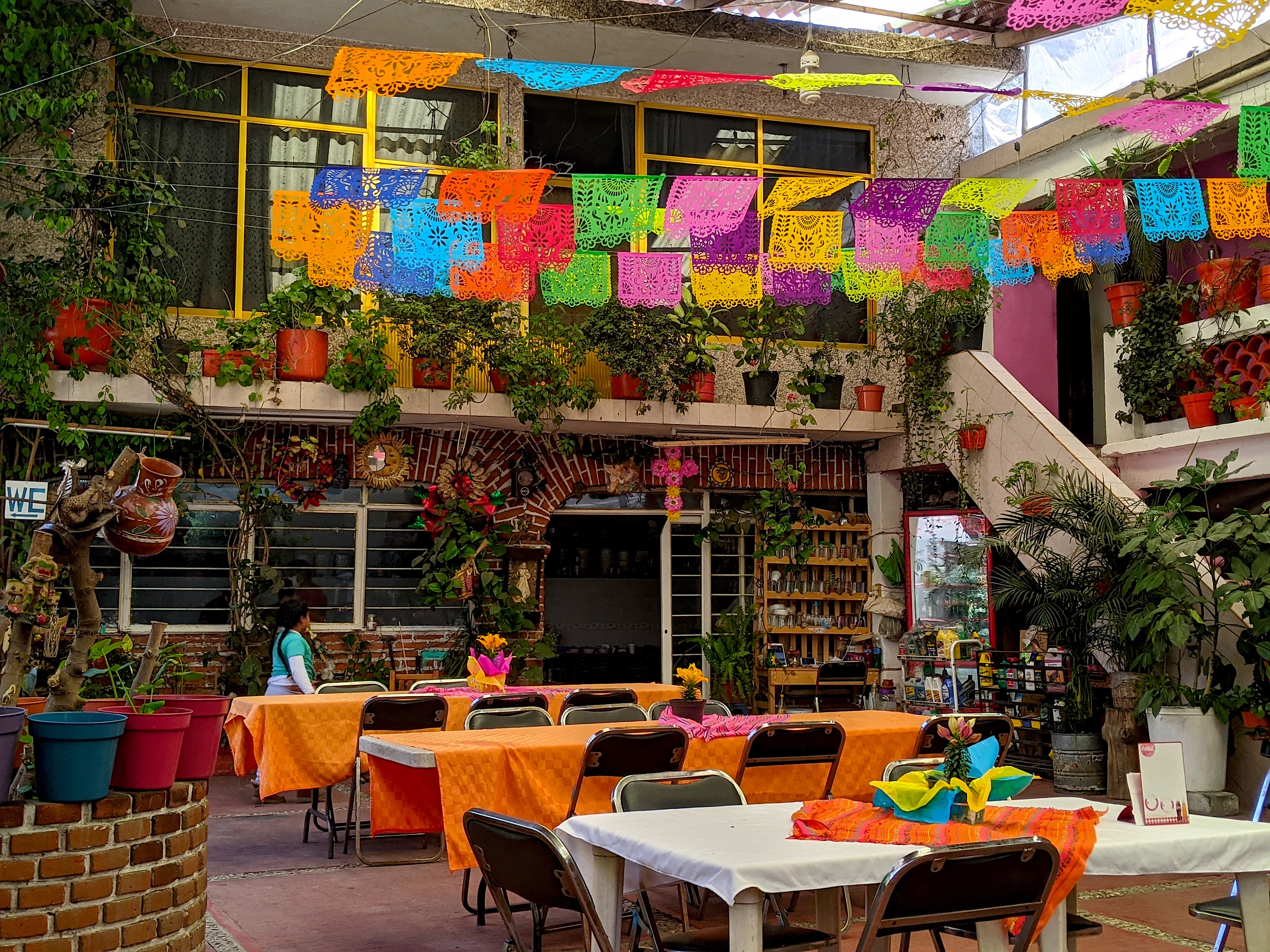
Given the depths of mole to be plumbed, we rested from our wanderings in a festive, family-run restaurant. Ordering four varieties—some new, some familiar—created a group variety pack.
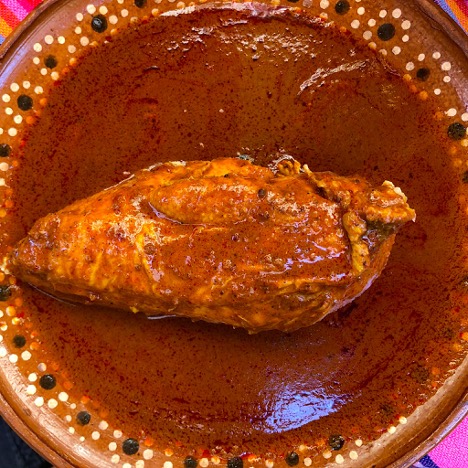
The colors of mole are as varied and fascinating as their ingredients. First, there’s mole rojo, or mole poblano. It’s one of the most popular in Mexico. It often uses chiles of the mulato, ancho, and pasilla variety, as well as blended raisins, almonds, or peanuts. It deploys more chiles and dried fruit and less chocolate, which makes it sweeter and spicier than some other types.
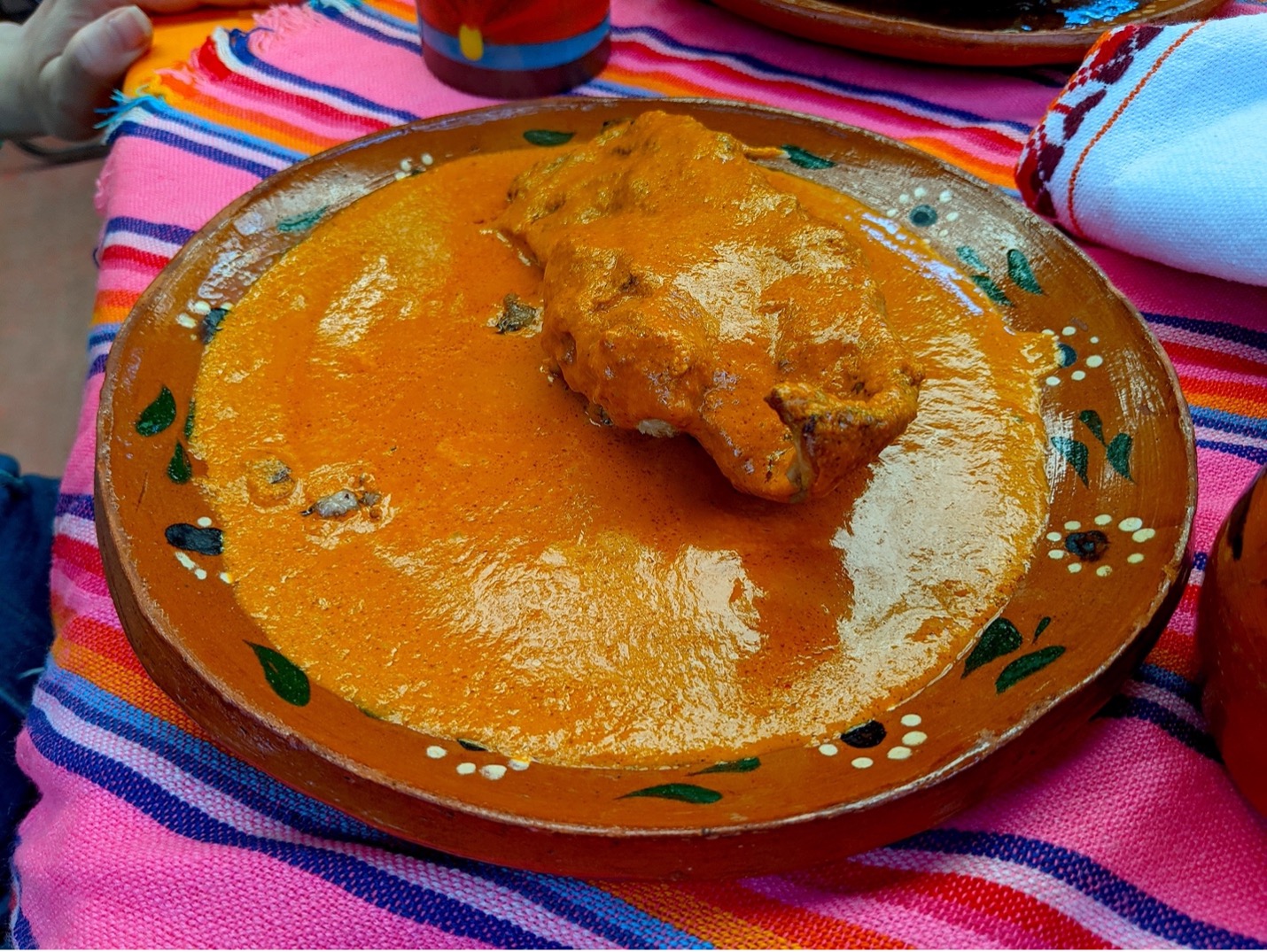
Next is the one that takes the top layer of my tongue off. It’s the mole verde. This type makes enthusiastic use of jalapeño peppers, cilantro, tomatillos, and some pumpkin seeds.

Then, there’s mole negro, a slightly sweet version that uses chocolate and other spices like cinnamon, cloves, and cumin in addition to other ingredients. This one was a nice relief from the mole verde.

And finally, I experienced mole almendrado for the first time. I loved this one; it’s made of ancho chillies, guajillo chillies, almonds, garlic, and lots of others.
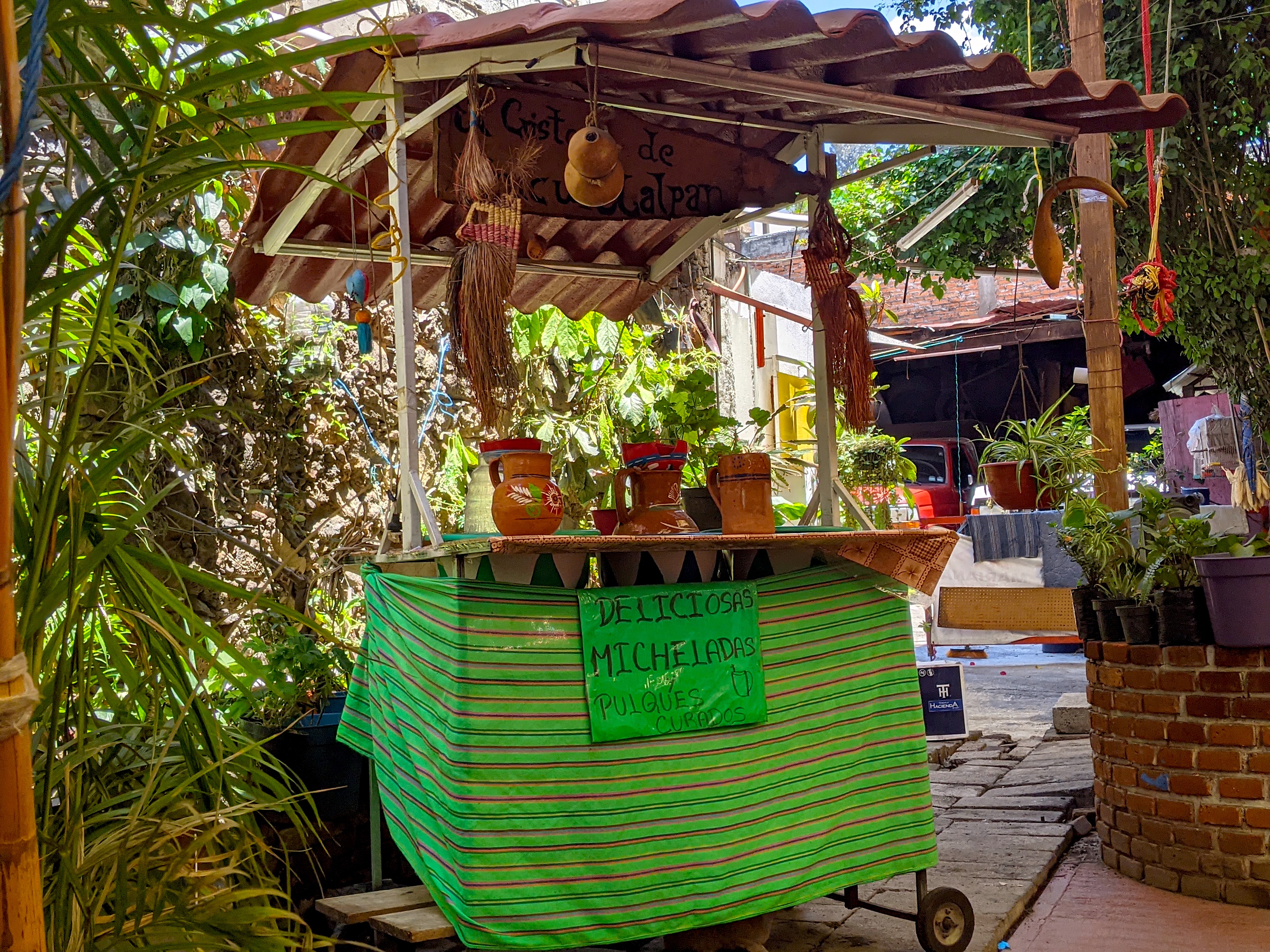
All in all, the mole tasting buffet was rather successful. I even took home a couple bottles of pulque, a traditional (and ancient) fermented beverage made from the maguey plant that contains tons of vitamins and minerals. There is a saying in Mexico that pulque “sólo le falta un grado para ser carne” (“is only a bit shy of being meat”)!

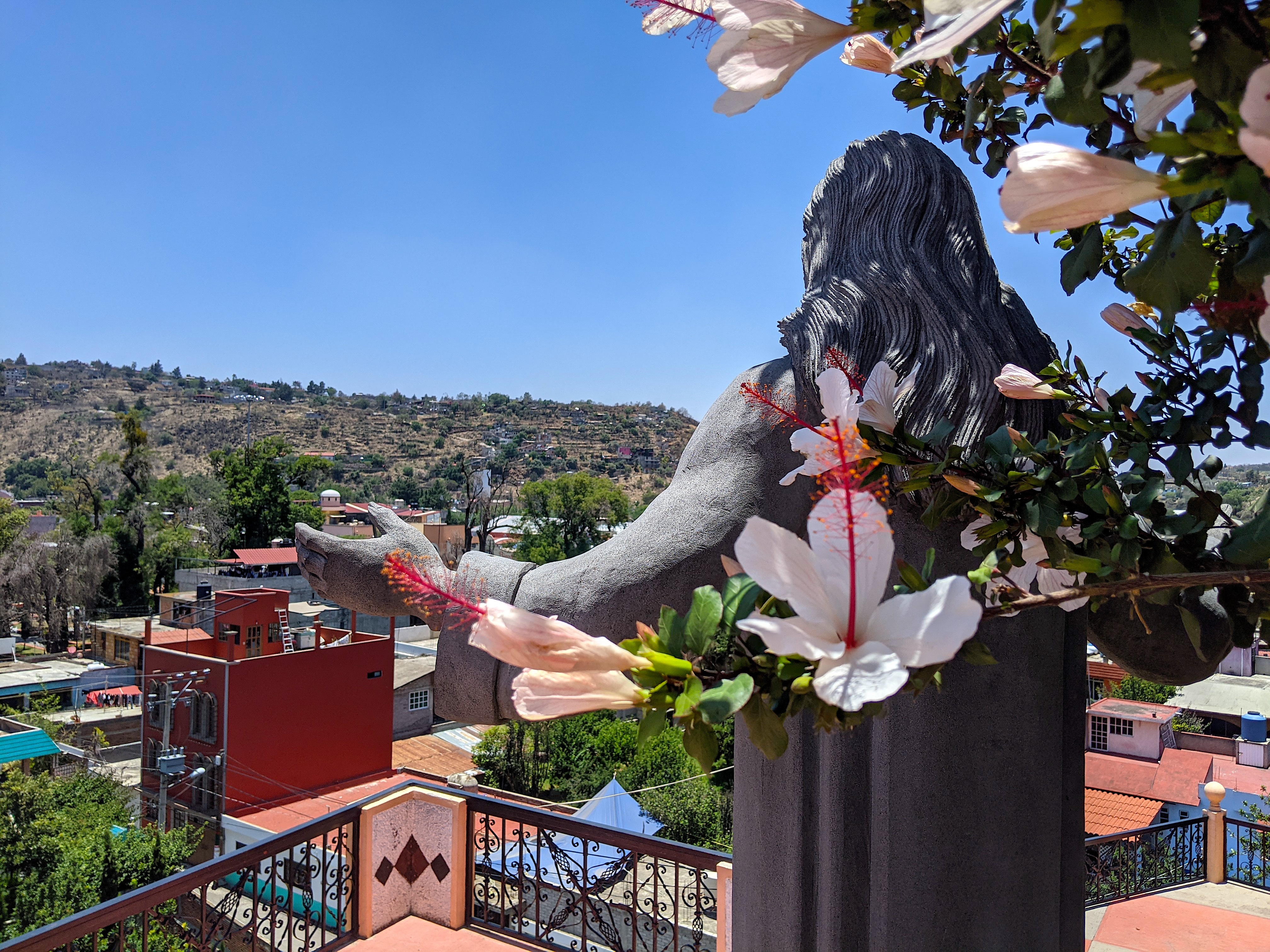
Towering above downtown Milpa Alta is a church by the name of El Santuario Del Señor De Las Misericordias. After lunch, we decided to ascend the steep lanes to the main courtyard for a look around.


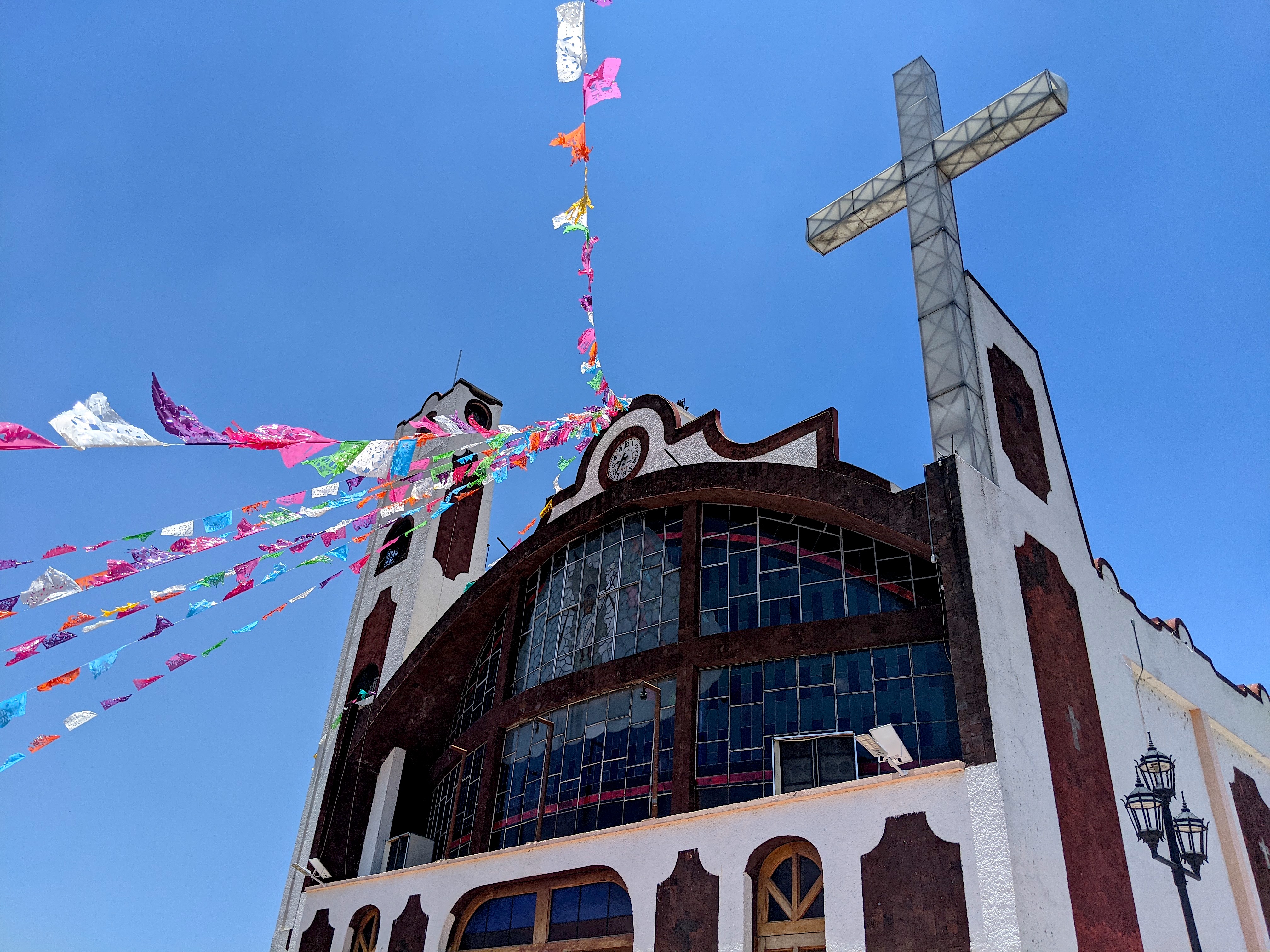
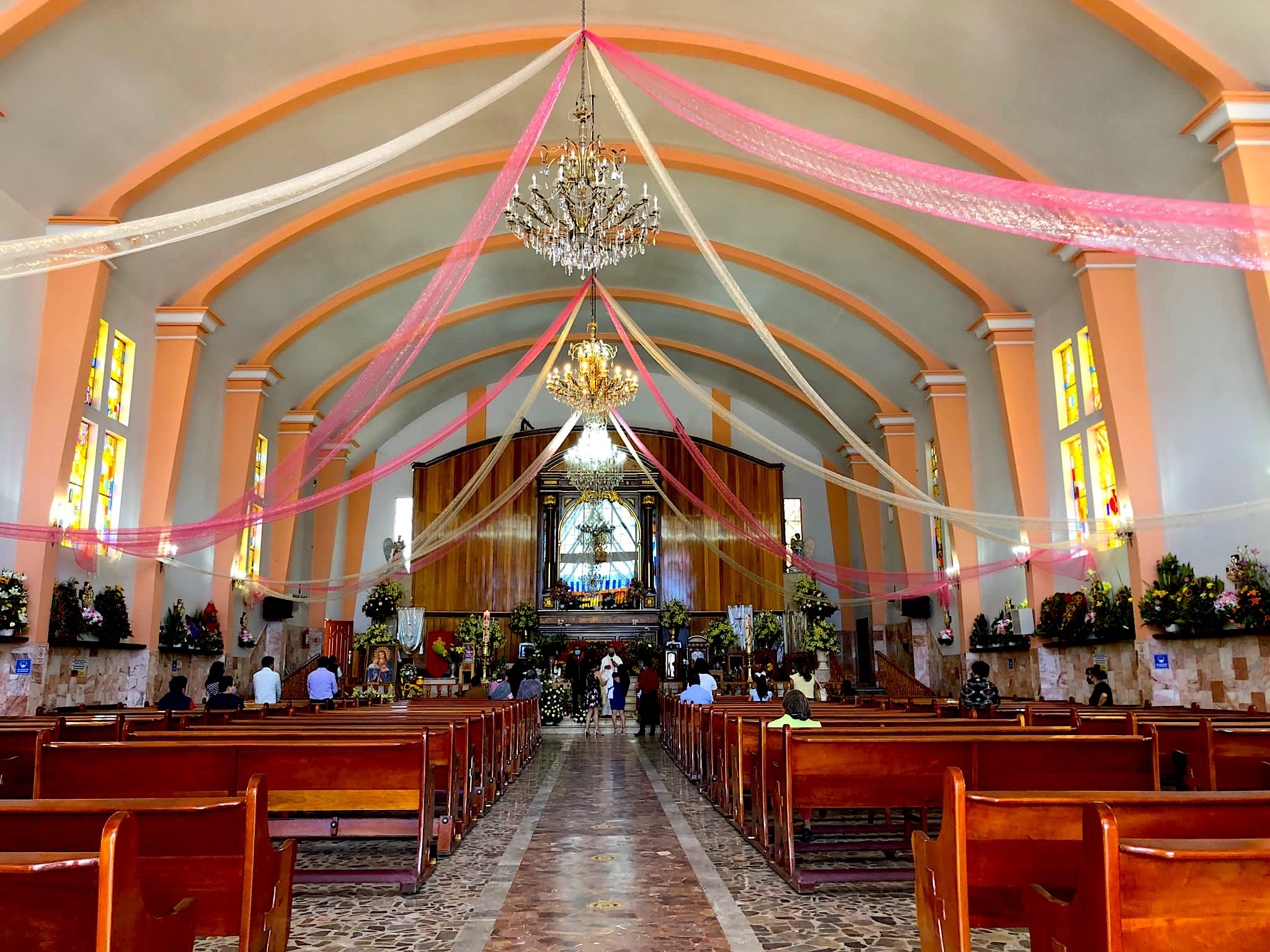
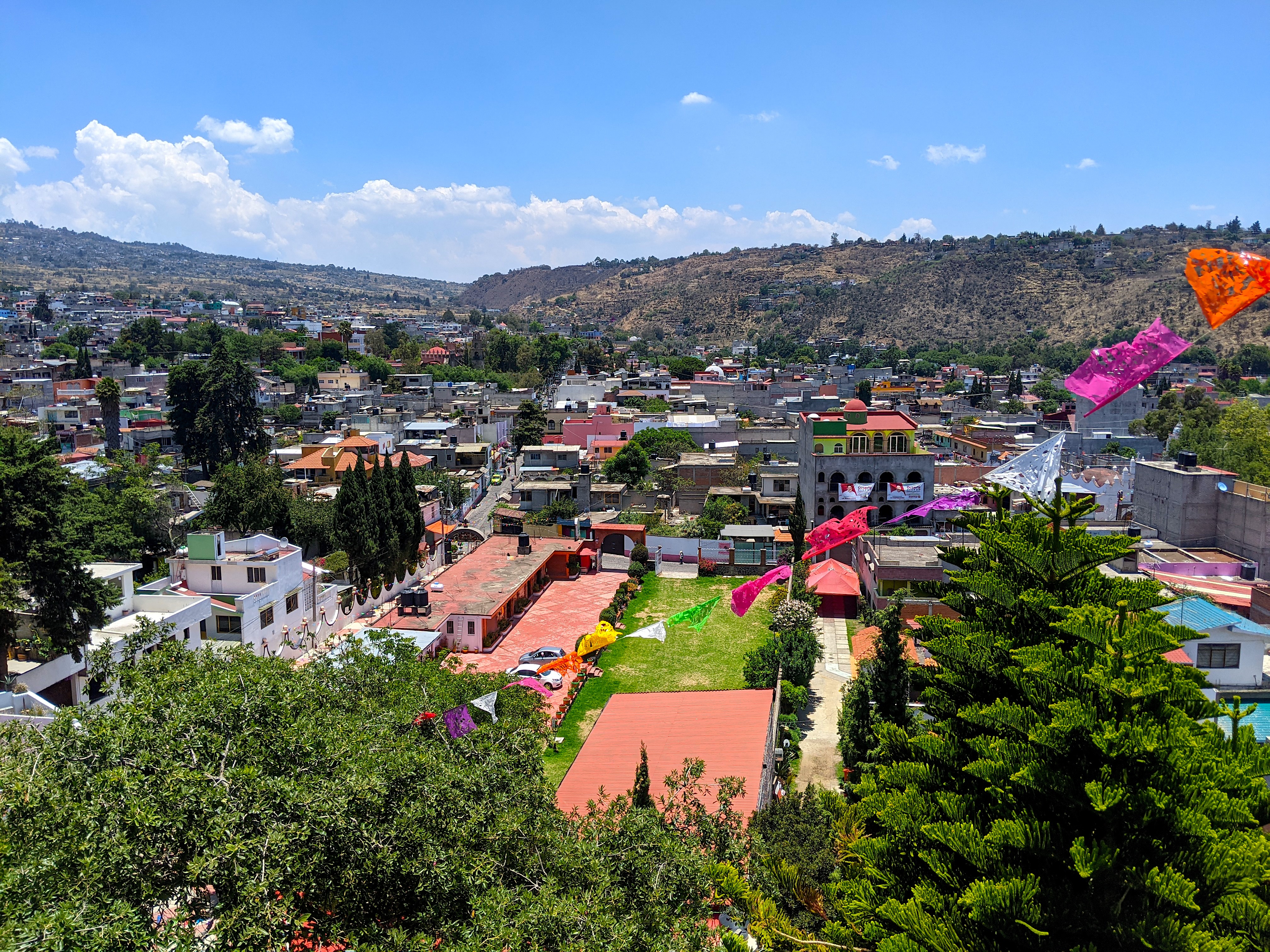
The church is dedicated to a 16th-century image of Christ widely venerated in the town and for which there is a festival every May. The current structure, however, was built in 1977. From the courtyard, incredible panoramic views of the town below can be savored.
Overall, Milpa Alta is an underrated gem of a place that should be on every traveller’s list.

 CHLOE GOES
Incredible incredible incredible! Love it all! My mom makes mole also, it’s gotta be my favorite thing ever 😋, so jealous you tried so many types though!
LikeLike