Mexico City is a sprawling world of a contrasts. Its population boggles the mind—25 million people and counting live here—yet tiny corner shops and three-table cafés seem tucked into every corner. In the city’s metropolitan center, imposing skyscrapers stand shoulder to shoulder, their glass windows piercing your corneas at 2pm if you catch the sun’s reflection just right. Yet, just a few minutes’ drive out from the center shows rows of small, colorful dwellings stretched horizontally on the mountainside.
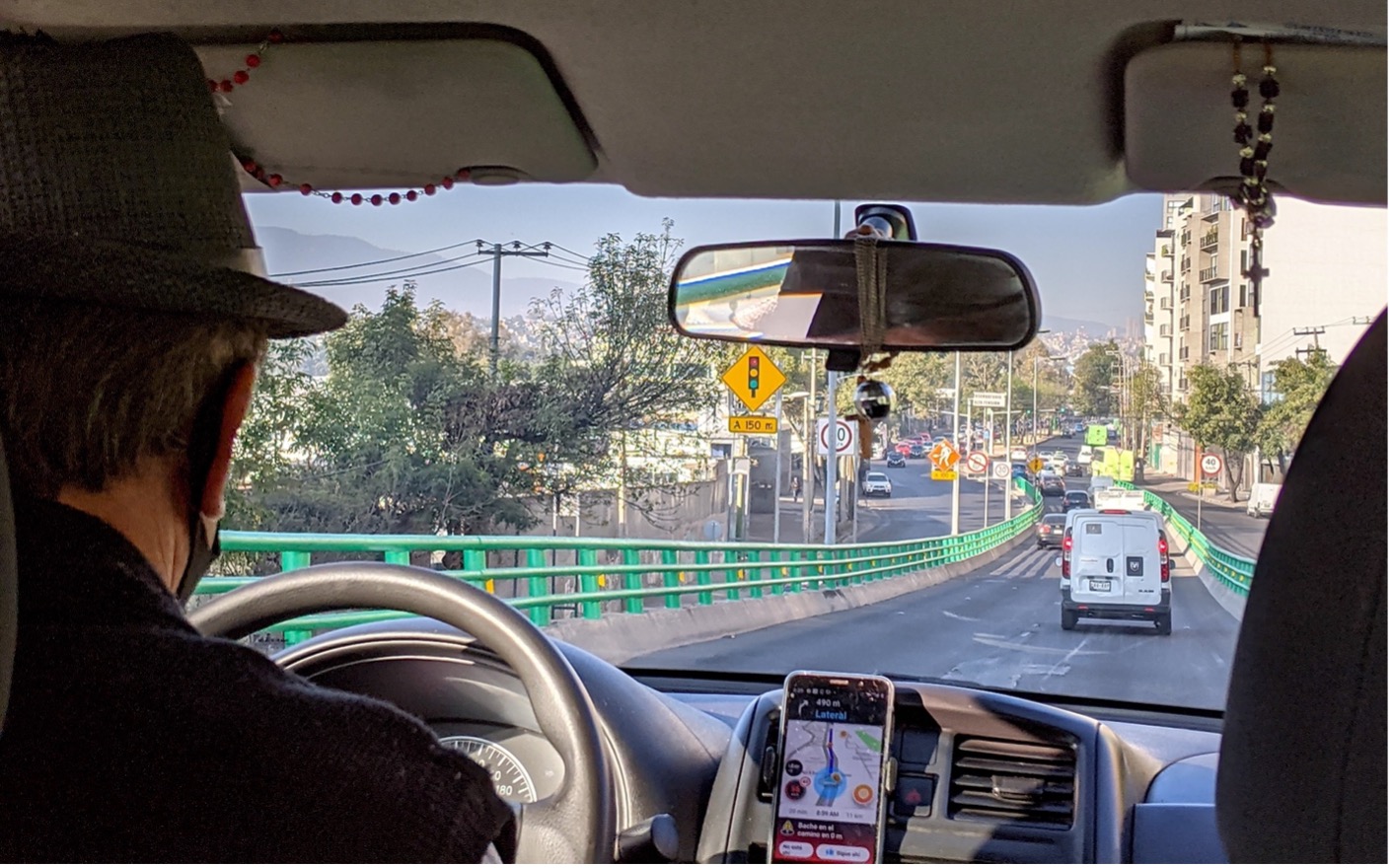
During my time in Mexico City, I plan to visit as many districts as I can. The expansive transportation systems make this possible: busses crisscross the metro areas, an intricate lattice of subway lines winds underground, and thousands of honking Uber and taxi drivers appear wherever you are. I’ve always been a fan of public transportation, ever since I first landed in London as a student in 2006 and realized I could get anywhere on just my two suede flats. Exploring an unfamiliar system in a new city is akin to solving a puzzle. And it’s one that gets your daily steps in while letting someone else deal with road rage.
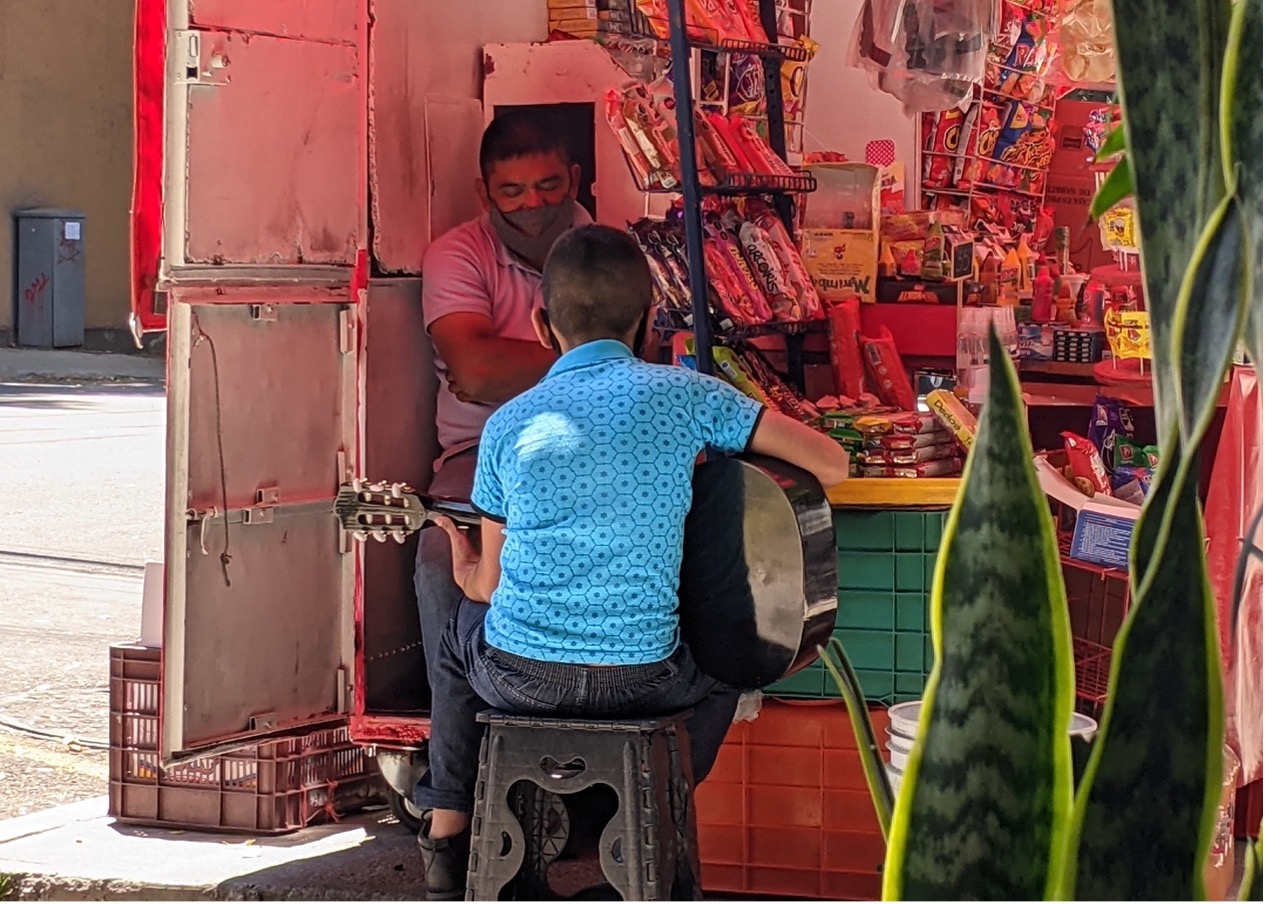
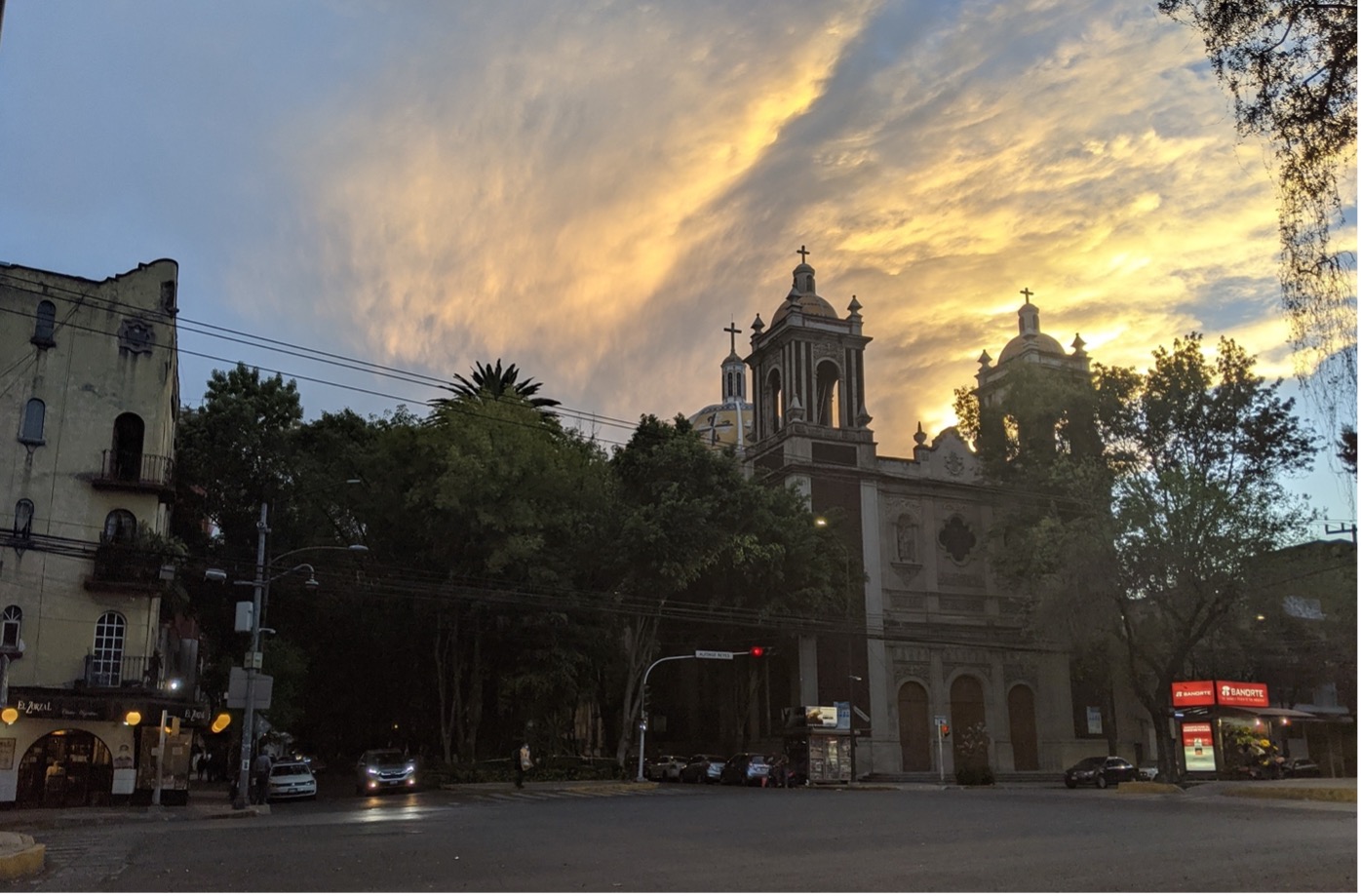
I have landed in an area of the city called Periodista (“the journalist”). And yes, given my reason for moving here, I got chills when I realized what that name meant. Periodista is a small enclave that falls under the umbrella of a larger area called Navarte. It has a residential, middle-class, relaxed feel to it. Tree branches stretch like arbors over the sidewalk and drivers slowly putter down its streets. It doesn’t get included in the tourist guides, so it feels like a secret oasis. Corner shops filled with everyday provisions, lavanderias for cleaning clothes, and tiny coffee shops dot the avenues. One of the largest markets in the city is here. Interestingly, this also seems to be a hub for auto shops and motorcycle hangouts.
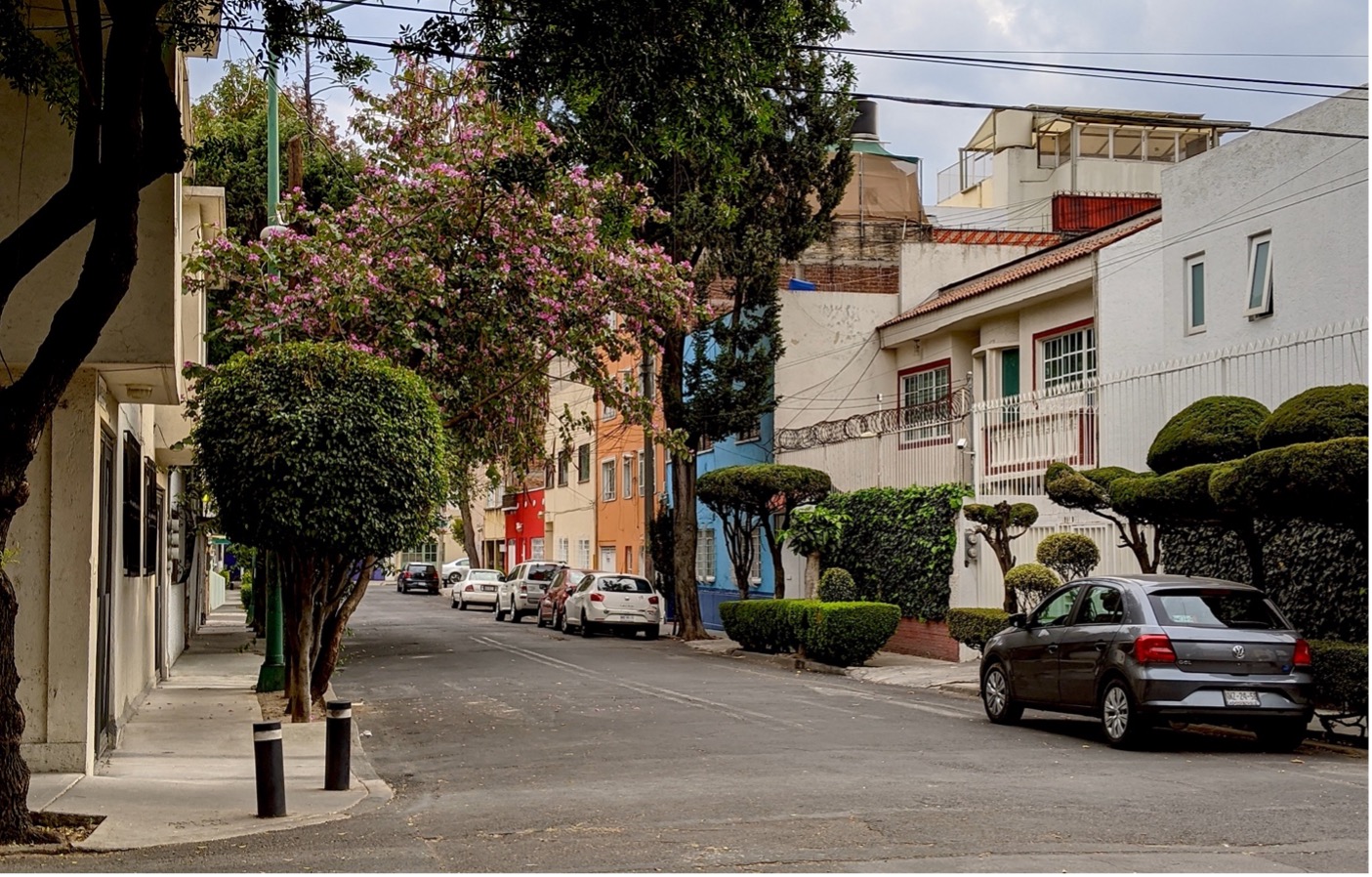
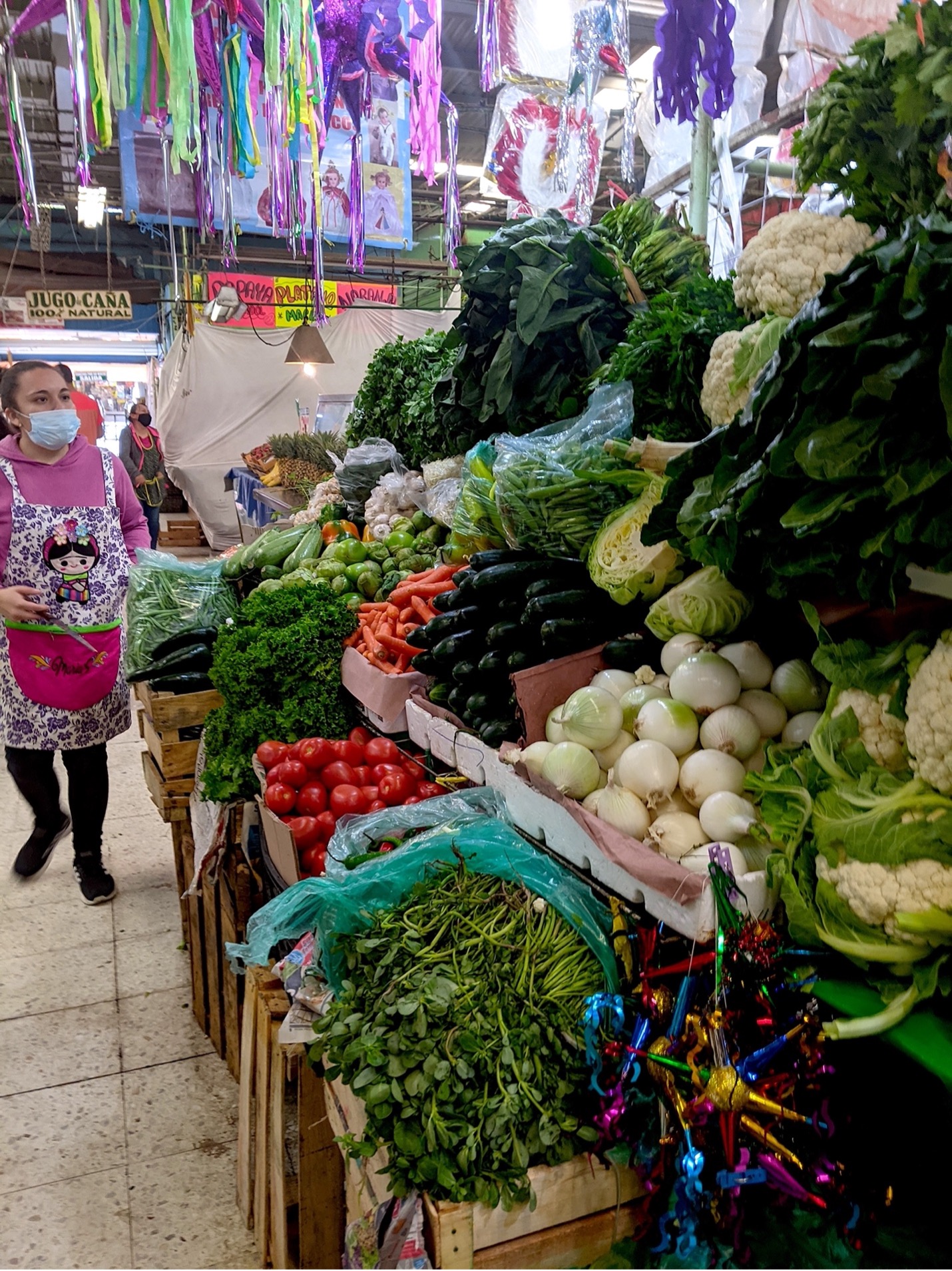

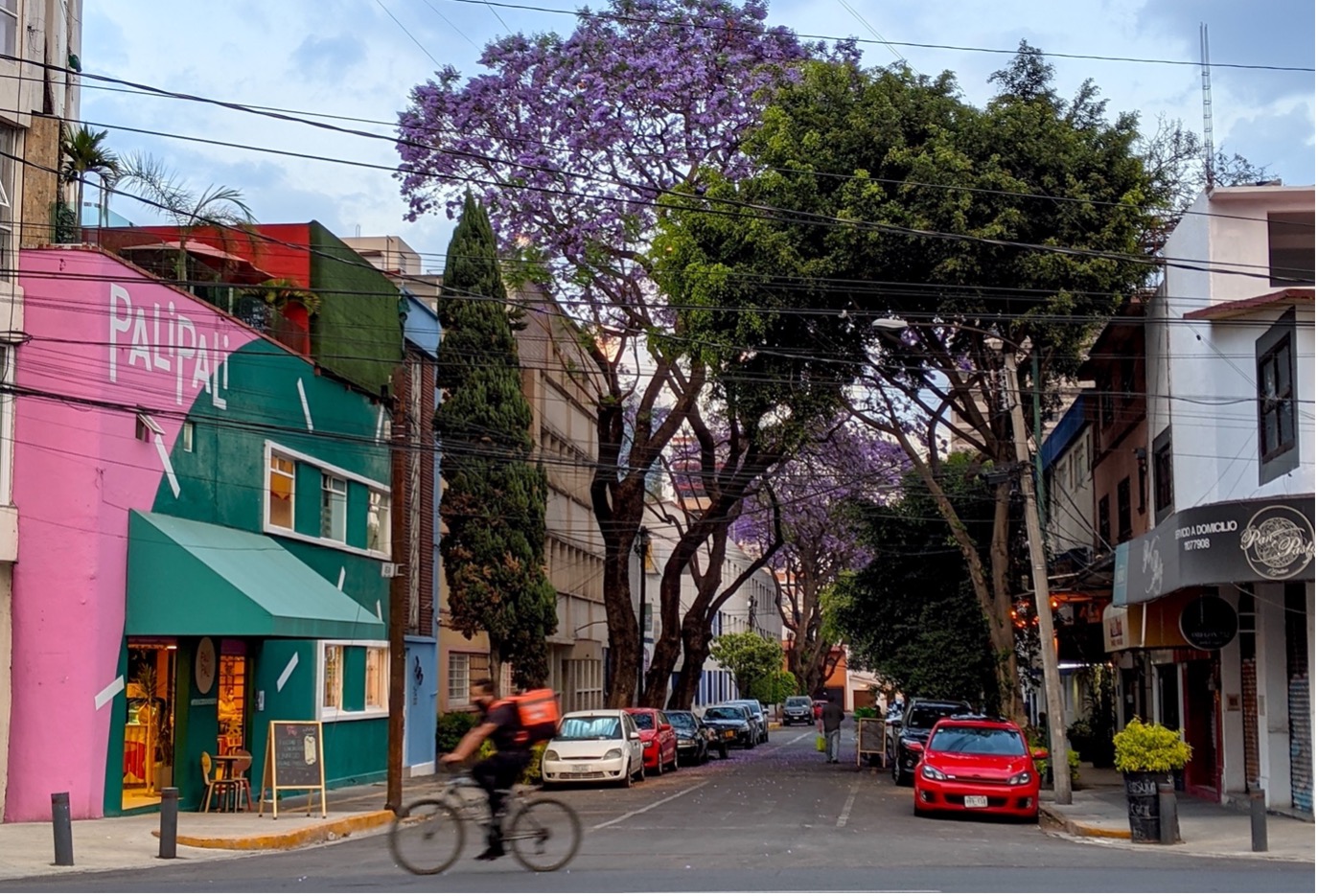
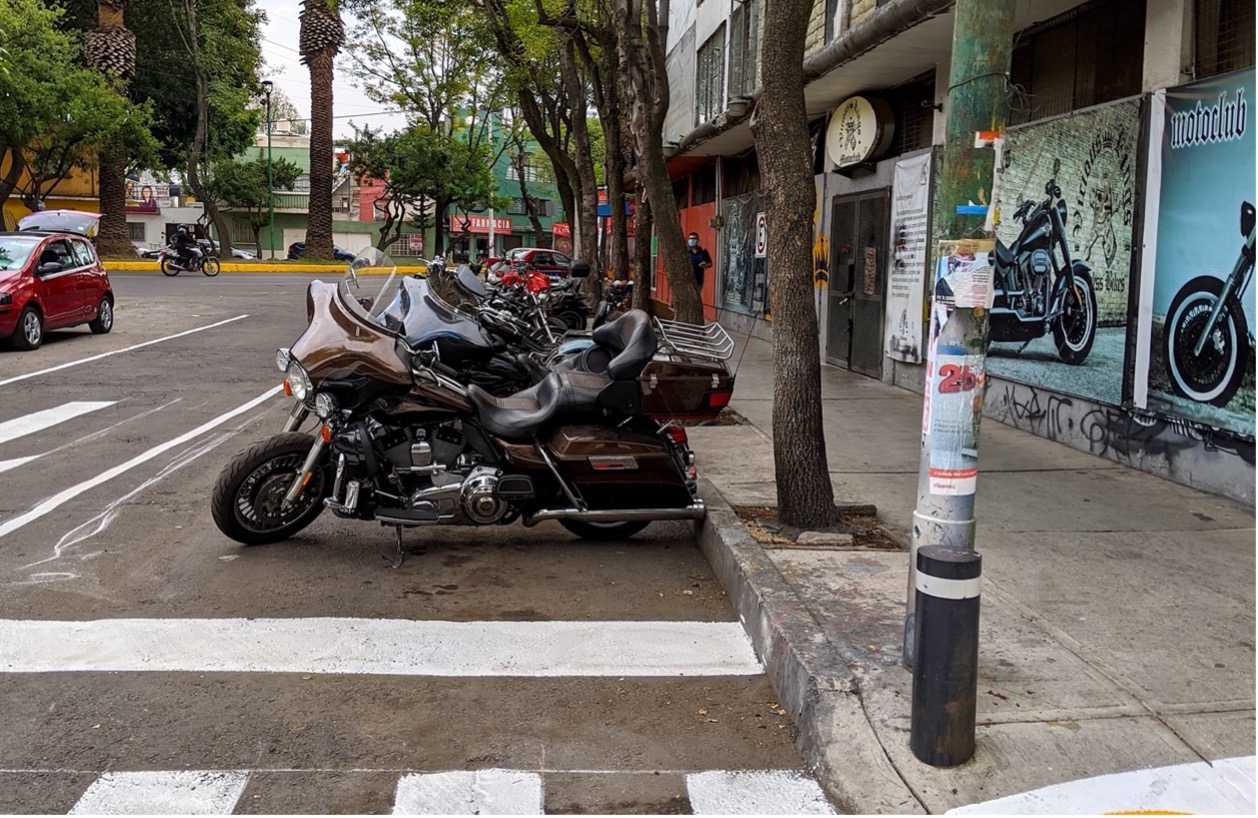
In addition, Periodista sits between several major throughfares taking drivers north and south of the city center. On some days, the pollution in the air is visibly thick and feels gritty in my eyes. I’ve learned that contact lenses make excellent detectors of fine particulate matter. But, at least this atmospheric excitement means much is happening around the area. The energy is palpable; the sound of engines rushing by and irregular footfalls is comforting and inspiring.


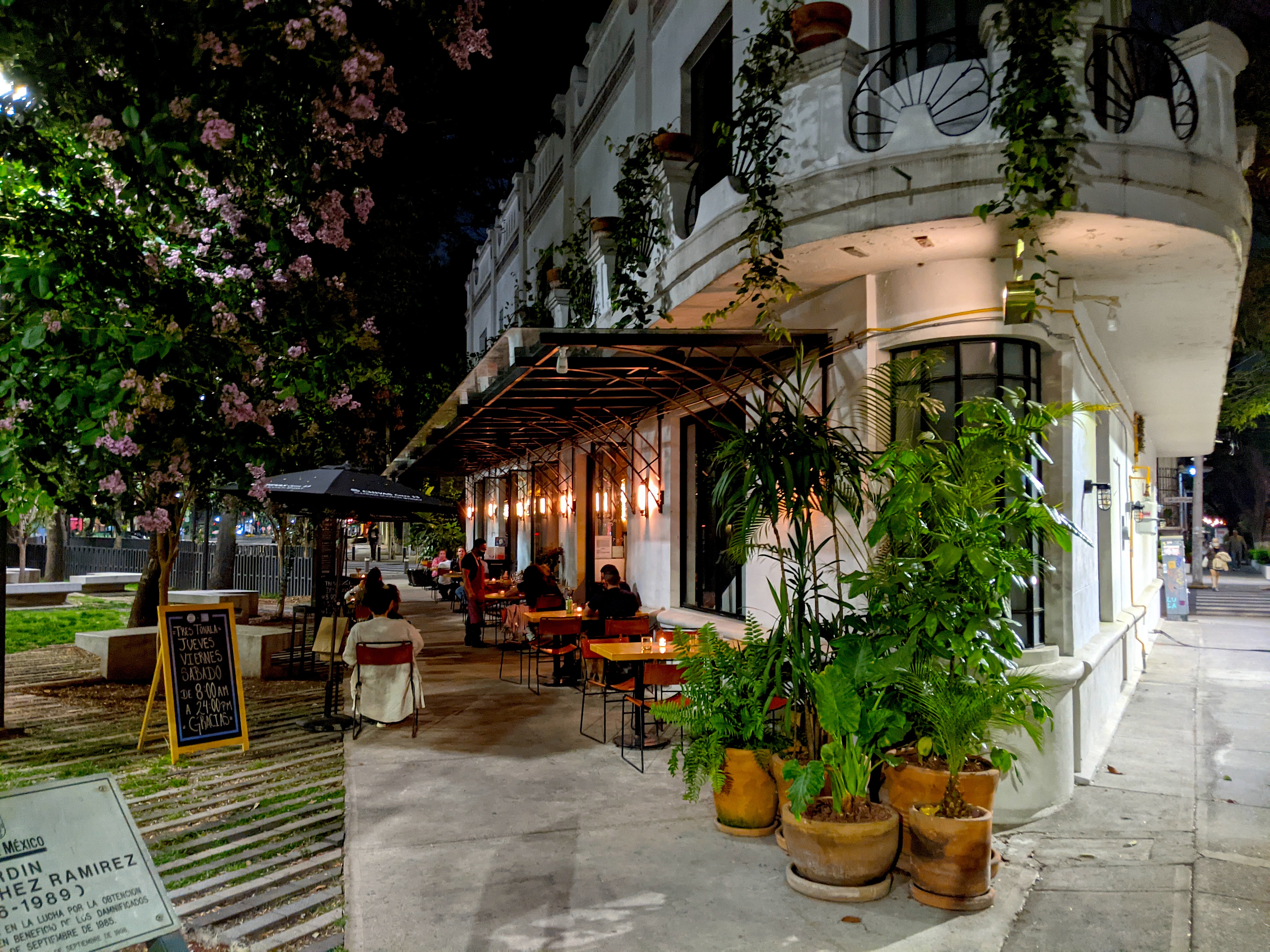
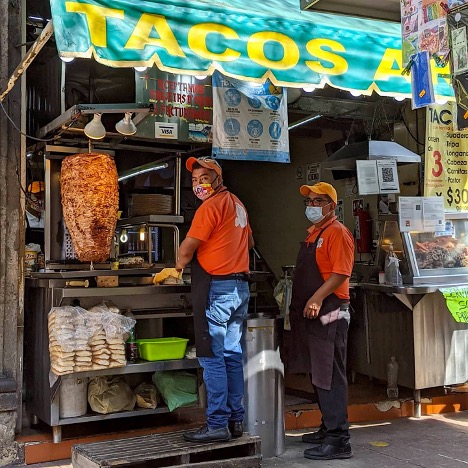
Periodista and Navarte lie to the southeast of many of the more tourist-travelled areas of Mexico City. Two neighborhoods, La Condesa and Roma, are famous for their stunning boulevards lined with 1900s-era ornate residences in French Beaux-Arts and other European styles. This is where countless coffee shops beckon you inside with all manners of cappuccinos and pasteles. And yet, in line with Mexico City’s sense of contrasts, taco stands sit interspersed, begging passersby to stop and sample the tacos al pastor.

Moving farther west is the dramatic avenue Paseo de la Reforma, a promenade-feeling avenue that stretches from Chapultepec Castle in the southwest of the city to the old downtown farther northwest. It was established by Emperor Maximillian in the 1860s and then converted to a major throughfare from 1867 by the leaders of the new Republic. It now stretches like a river (in the words of writer Octavio Paz) through the city’s corporate and governmental hub.
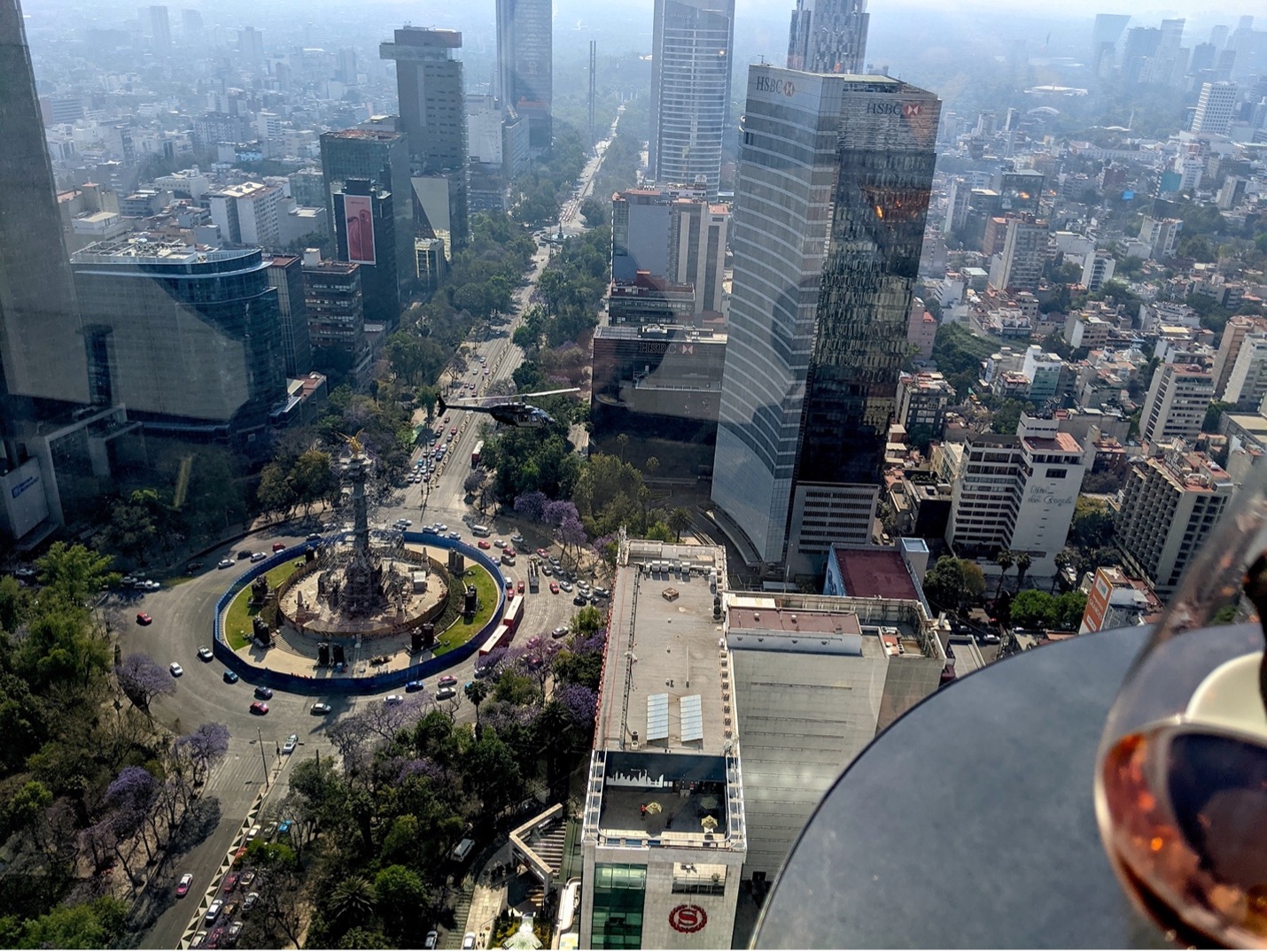

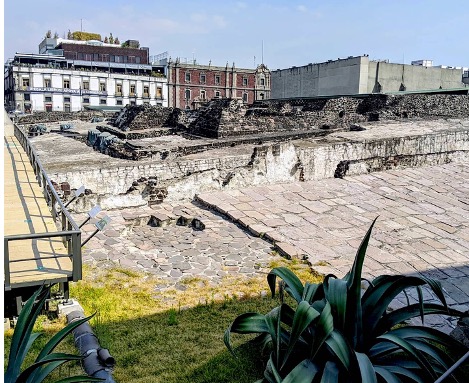
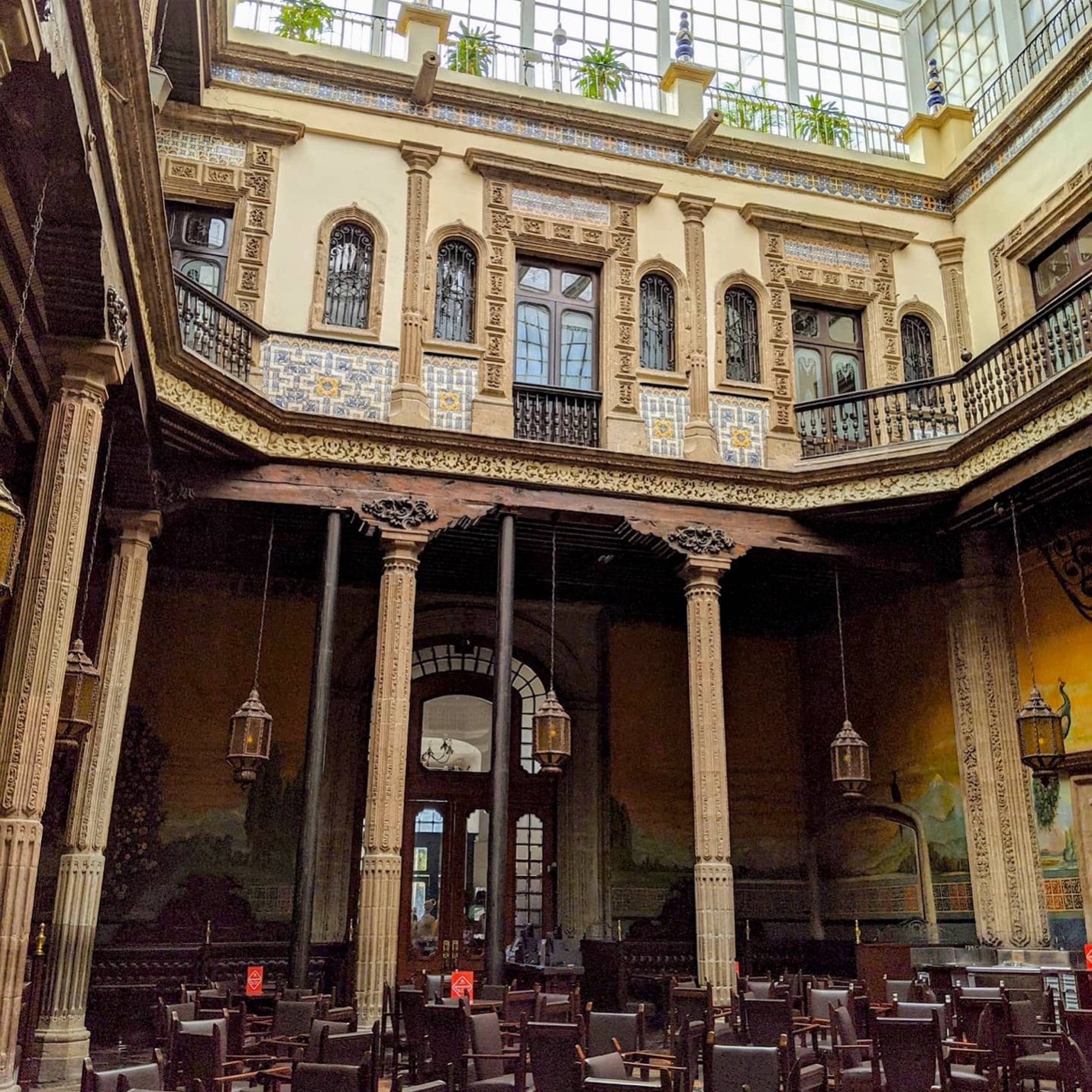
Finally, the old downtown, or Centro Histórico, might be my favorite of these echo-filled enclaves. This is where the Aztec capital of Tenochtitlan lay before the arrival of the Spanish, and where signs of the past seem actually carved into the white Puebla tiles of every ornate building. A gigantic main square called the Zócalo has hosted countless events over the years, and the nearby palatial art museum called Bellas Artes looks down upon crowds milling around it.
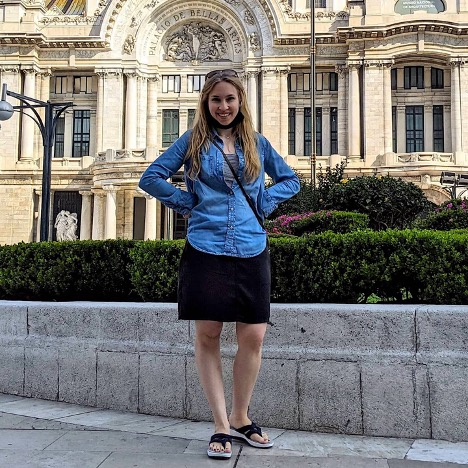
There is so much to see in this gigantic city. The above summary only scratches the surface of a few central boroughs. Kind of like my own travels here so far.
 CHLOE GOES